Back and forth through the screen forever
Chris Chann moves from YouTube to Thrasher('s YouTube), Lawrence Ravail is doing two-handed fingerboarding tricks on a full-sized skateboard, Savannah James loves her Palace UGGs, and more.


The definitive weekly ranking and analysis of all the skateboarding and other things online that I cannot stop consuming and how it makes me feel, personally.

Back and forth through the screen forever
Rank: 15.8
Mood: 💻➿💻
There was a time not so long ago when "creating content" for YouTube firmly placed you in a social stratum defined by the title and epithet of "YouTuber." Almost no matter what your content was about or what shape it took, if you uploaded it to YouTube, a thin film of unseriousness draped over it.
How could something of consequence, import, or meaning exist in the same space that gave rise to "Charlie bit my finger," the quintessential viral video viewed nearly a billion times since 2007, Epic Rap Battles of History, and the devoutly anti-human algorithmic hacking of a Mr. Beast? What lived here were, at best, sideshows.
Things have changed. According to Nielsen's August 2026 "The Gauge" report, 15.8% of total TV usage is people watching YouTube on their big screens. While some of that is likely due to more traditional programming, including news and sports, that YouTube hosts, the unending flood of free content of wildly fluctuating quality is surely to thank for that aggregate domination.
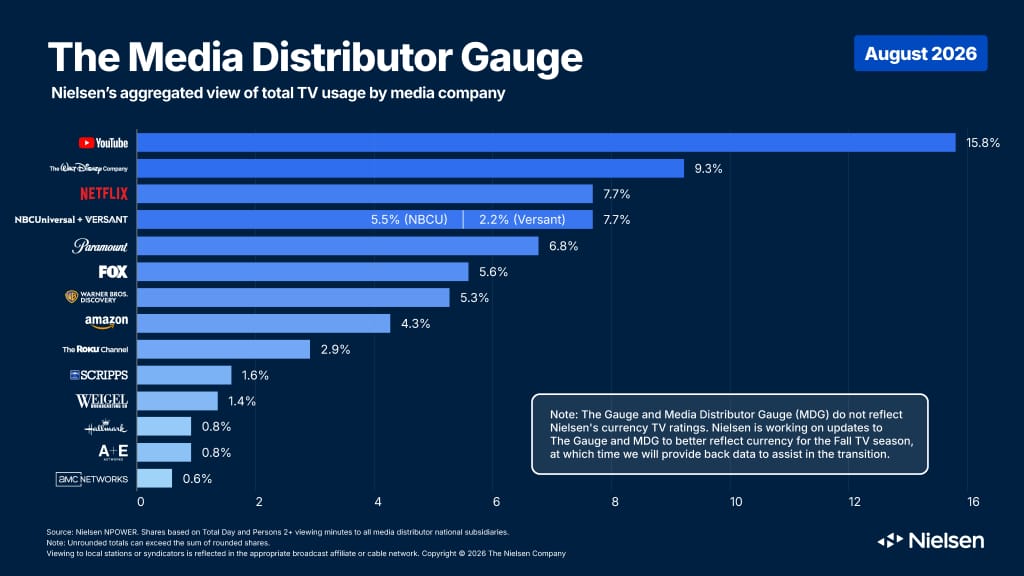
YouTube has become such a fixture of the world's media diet that even the term "YouTuber" has shed its once shameful edge. Those who upload to YouTube are now more commonly called "creators" or "influencers" or future blockbuster Hollywood directors like Kane Parsons of Backrooms fame.
In skateboarding, the acceptance of YouTube as a legitimate social platform for professional and amateur skateboarders took time. A noticeable shift came in the early 2020s, when names like Paul Rodriguez, Tom Asta, and Pedro Delfino began experimenting with traditional YouTuber fare — unboxing videos, skatepark reviews, confessional vlogs. The kind of content historically created by long-term SkateTubers John Hill, Chris Chann, Andy Schrock, Dan Corrigan, Aaron Kyro, and the like, who have been generally maligned or ignored by core skateboarding audiences (occasionally for other, more serious reasons).
 Cole Nowicki

In 2023, I spoke to Jorge Angel of Excel Management about the growing number of PROs and AMs turning to YouTube, and he said that for those like former Excel client Dylan Jaeb, who grew up on social media, his YouTube Channel was likely a way to have more control over his media output. Same with current Excel client Ishod Wair, who had just released a full video part on his fledgling channel.
"For the skaters who take a more conventional approach to their channels, like Asta and P-Rod, Angel says that sponsors are starting to see the value in it, with some even adding budgets for YouTube content into their sponsee’s contracts." I wrote at the time. "Of course, 'value' means content that performs well and gets their riders and their products into the eyeballs of as many viewers as possible."
In the years since, YouTube has become the norm for skateboarders as a promotional and creative platform, whether they take a more "traditional" approach or choose to experiment, like Poe Pinson or Ryan Lay and Oria, whose "slow-living"-style content I profiled in June.
 Cole Nowicki
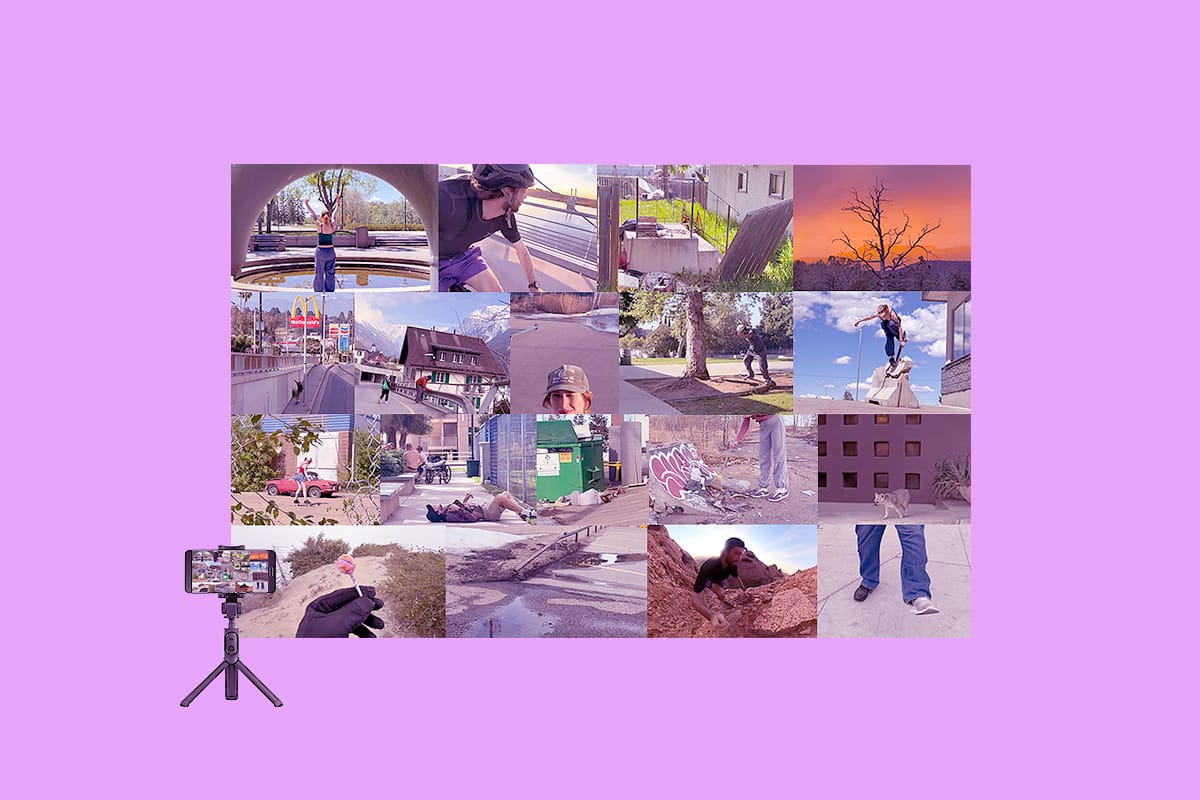
YouTube use among the professional skateboarding class is ubiquitous enough now that Andrew Reynolds launched his own channel this week.
But does this acceptance of YouTube by core skateboarding go both ways? Has grace been extended to the SkateTuber class that made their names on the platform, built fanbases, and occasionally lucrative careers, with channels and content that were previously overlooked and derided?
On Wednesday, Thrasher Magazine published Forever Unsatisfied, Chris Chann's latest video part. In the lead-up, Chann released a painfully self-aware promo featuring Mike Carroll dressing down Chann as a YouTuber and content creator. Carroll says skateboarders like Chann are why "gatekeeping" exists. This is in jest, but it wouldn't have been that long ago.
The video part is, if anything, entertaining. Chann delivers creative, eye-opening and high-level skateboarding that swims among various editorial decisions that feel crudely deployed for shareability online — the in-out-and-back-in-the-water line, skitching on an airplane, apparently having "Bam!" Margera edit the video part itself. I could also be projecting my understanding of Chann the YouTuber onto Chann the skateboarder. This distinction remains somewhat hard to make, which Chann seems cognizant of, considering the Carroll promo.
It shouldn't be difficult, though. With Forever Unsatisfied, Chann is simply working within a more "traditional" form of skate media than what we typically see of him. The video even lives on the same platform where he made his name.
More curious still, while Andrew Reynolds' foray into YouTube is notable despite being past convention at this point — he even practices SEO-driven YouTube video title clichés like ANDREW REYNOLDS LOST PART 1995 and SHANNON MAY (RARE!) — the reaction to Chann's push from YouTuber into more "core" realms, a much rarer reversal of streams, feels like business as usual: the video part went live, the highlights got shared across socials, just more grist for the mill. Perhaps at this point, the advance of the content creator, the influencer, into all corners of life is expected. Part of a shared understanding that living in this world means moving back and forth through the screen forever.
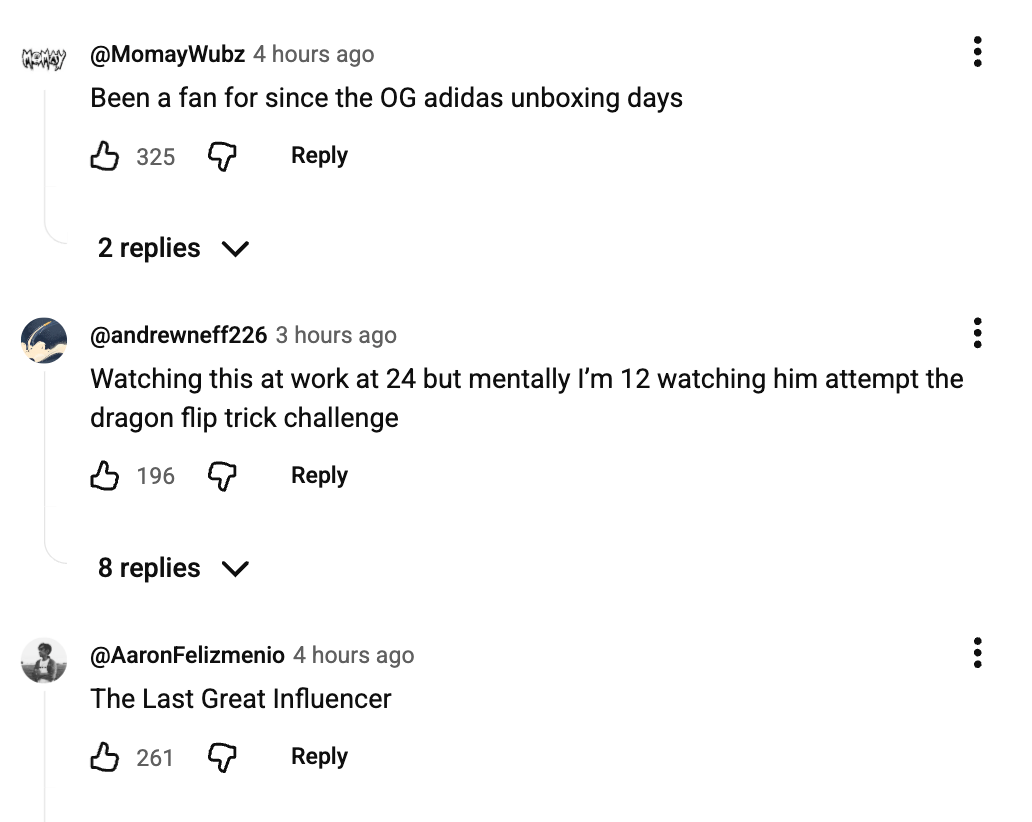
Whether Chann getting a boost from Thrasher means anything in the grand scheme remains to be seen. It could be a sign that the walls have fallen and "gatekeeping," such as it was, no longer is. A welcome widening of the talent and entertainment pipeline. It might also be a belated acceptance of an existential truth: anyone pursuing a career in skateboarding is a content creator.

Unreal maneuvers
Rank: !
Mood: !!!!!!
If you, like me, prefer to fingerboard in the imposture manner — using two hands to manipulate the to-scale skateboard so you can do precisely the tricks you want without having to struggle through any movements requiring skill — then you'll recognize what Lawrence Ravail accomplished in the final moments of his Réunion video part published by Thrasher Magazine last week.
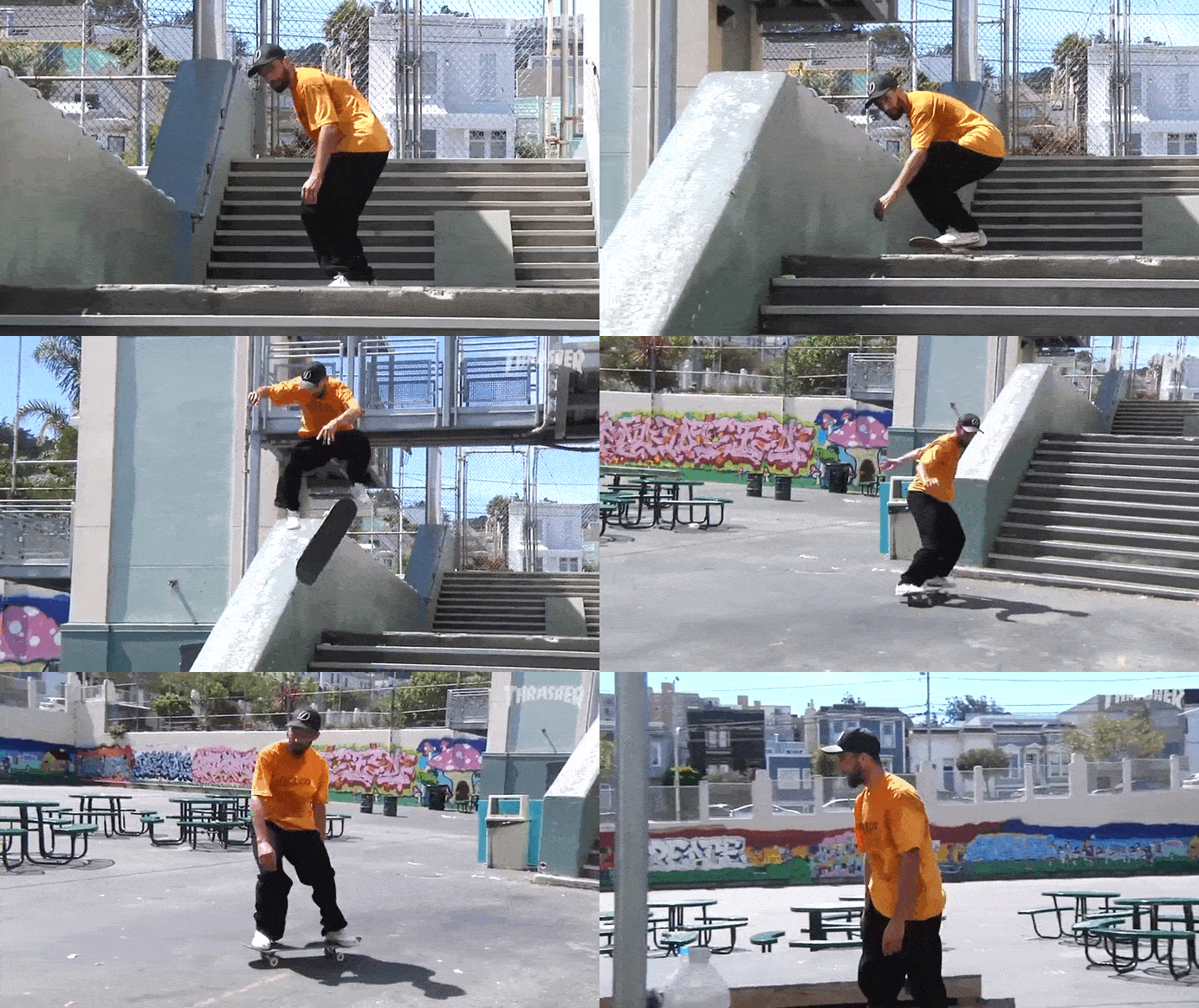
Common taxonomy would categorize such a trick as something akin to a switch-frontside-180-kickflip-crooked-grind, perhaps with an "alley-oop" thrown in there to provide additional stance-related context. A person could, if they were so inclined, even call the switch-frontside-kickflip an illusion-flip, as it almost appears to flip and rotate by dint of pressured release rather than a "pop and flick." I wouldn't, mind you, as the intent is clearly the former. The shape the board takes during the trick's execution is likely due to how absurd the trick itself is. More than illusion, it is pure magic.
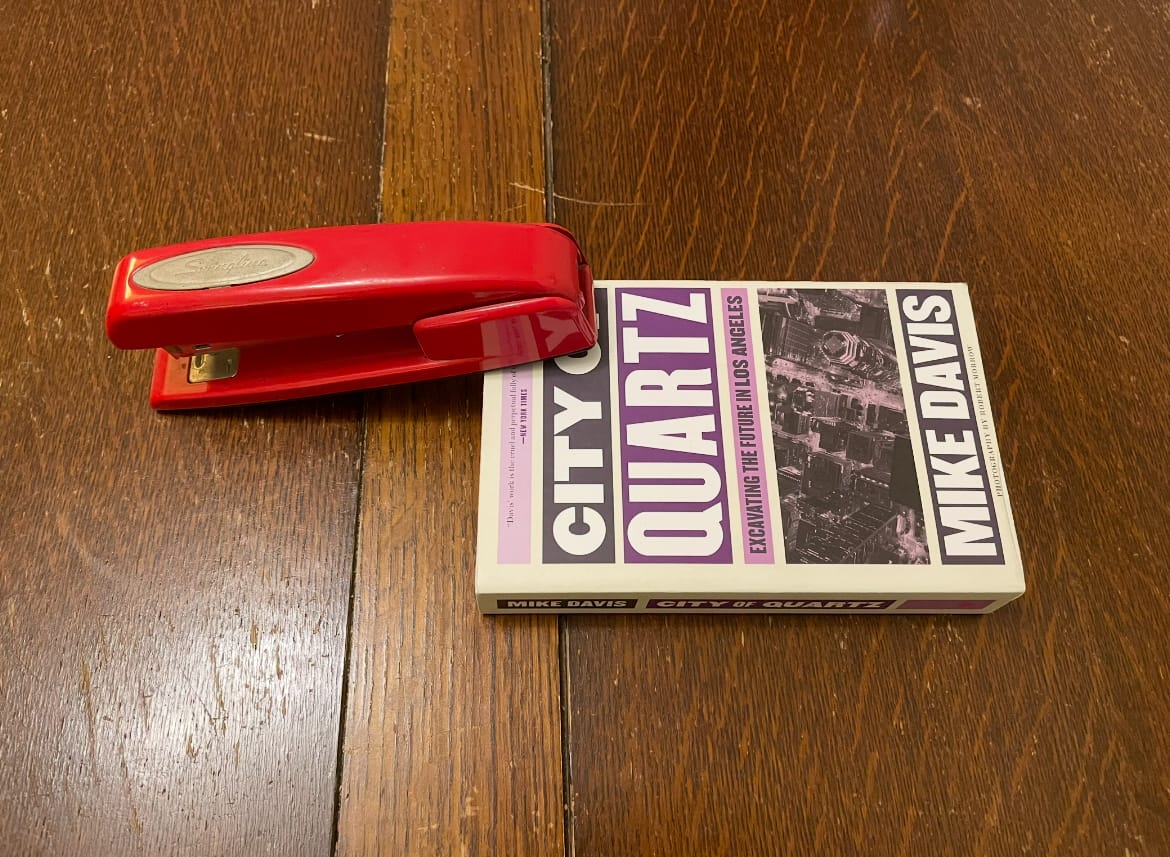
What Ravail has done is unquestionably one of, if not the most impressive trick ever successfully rolled away from at Clipper, a spot that has made many a career going back decades. That's because it's almost beyond comprehension, closer to a two-handed-fingerboard maneuver than a two-footer on a full-sized. A trick that I've only imagined while my hands were out of frame during a dreadfully dull work-related Zoom call, my red Swingline stapler leaning off of the edge of a book on my desk — the perfect hubba ledge to roll away from such a fantastical feat — making sure not to move my shoulders too much, lest I give myself away to those on the other side of the screen.

If you must collab pt. 4
Rank: 4
Mood: ™️🤝™️
In the history of this humble newsletter, I've spent a significant amount of time critiquing, decrying, and, on occasion, giving due to and even partaking in the brand collab. While there are some good ones among the many bad, for the most part, this marketing gimmick has always seemed, at least to me, too nakedly transactional. In lieu of any interesting new product development, two companies instead decide to leverage each other's notoriety and consumer bases.
However, one cannot deny that when done "right," the brand collab is effective. That might say more about our culture of Marvel-ized consumerism than anything else — two company logos on a sweatshirt being the equivalent of a Batman and Punisher team-up for some streetwear nerds. That tactic has helped make brands like Supreme and Palace wildly successful, and inspired others like Santa Cruz, Welcome, and Primitive to follow suit, with varying degrees of success.
That gimmick has also become integral to many of their business models, which makes sense. It's difficult to make money in the skateboarding space. The consumer base is small and increasingly fickle, so branching out and aligning with endemic and non-endemic brands is a surefire way to at least increase visibility. And if collaborating with a far more established brand with deeper coffers, they may even cover the production costs of whatever gets sold. But that's where intention and execution become crucial.
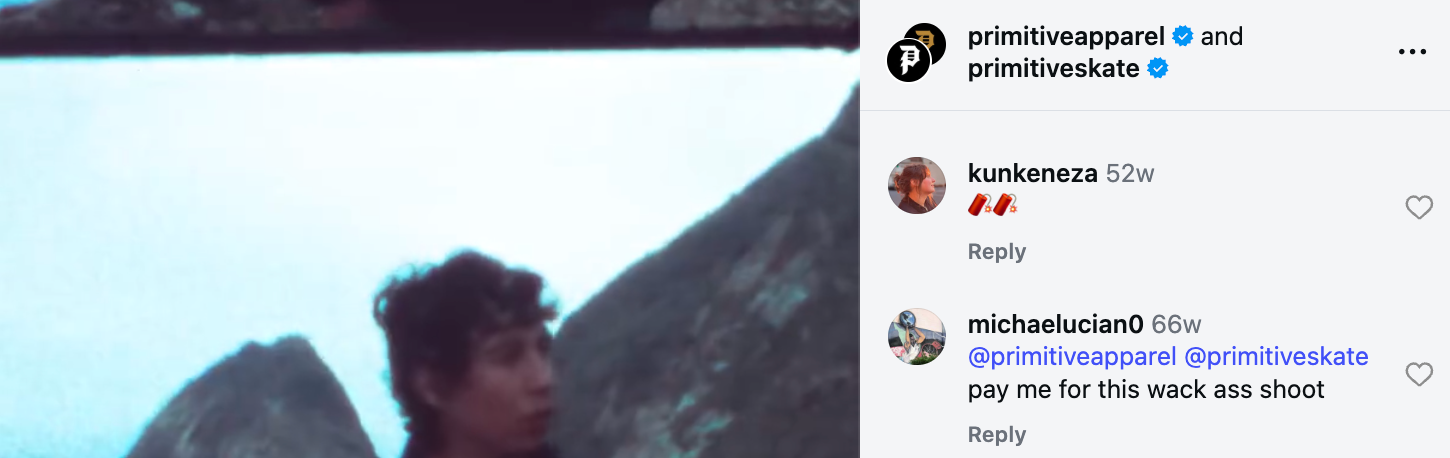
Where a brand like Primitive struggles to establish itself outside of the skateboarding bubble with its questionable collabs (and is also rumoured to be struggling financially), Palace has managed to parlay its collaborations with much larger brands into becoming a mainstay in the fashion world and a general cultural saturation, as evidenced by a pair of Palace x UGG slides getting a direct shoutout from Savannah and LeBron James in a recent house tour video for Vogue.
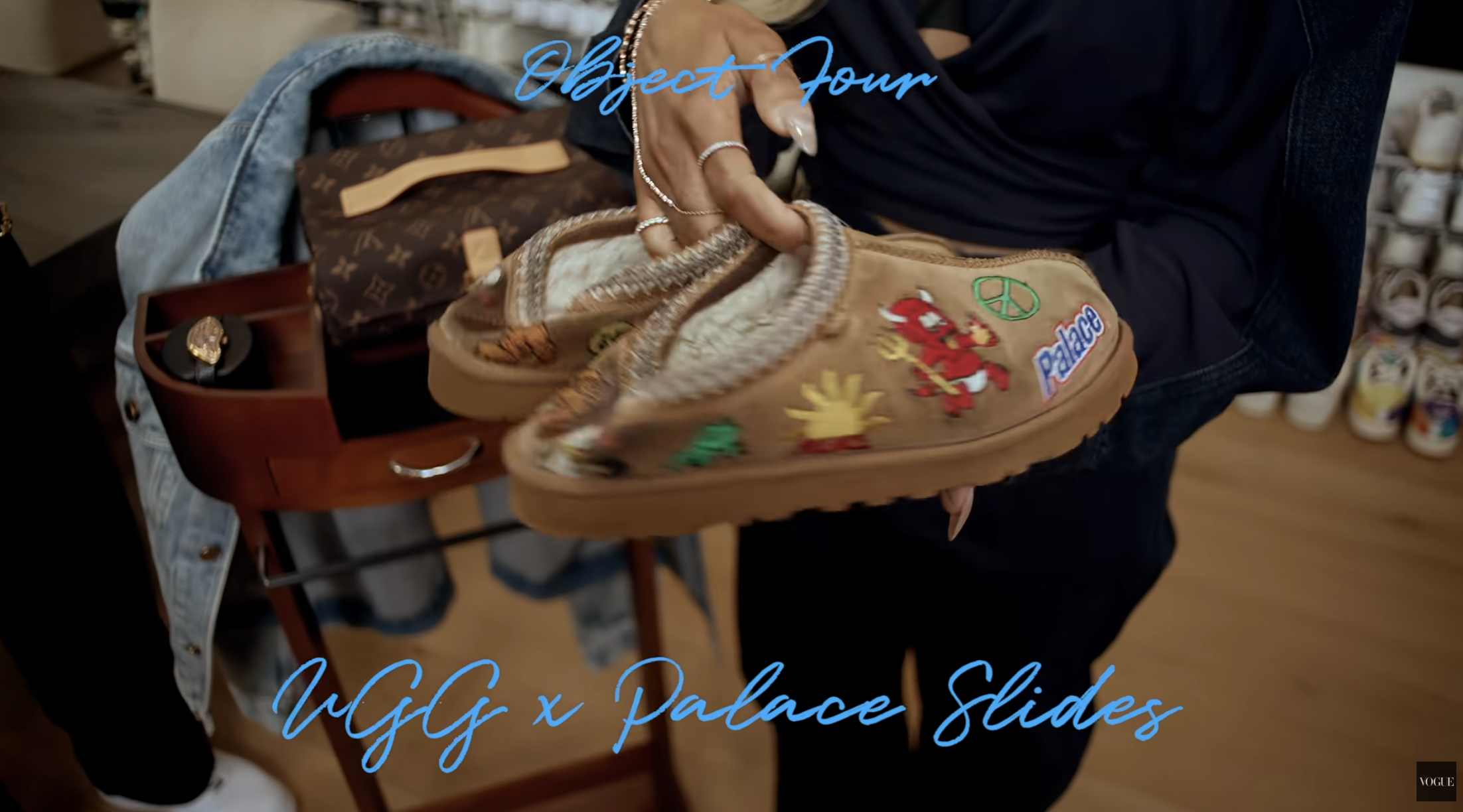
While the constant collaborations feel like a form of brand nihilism and, to an extent, annihilation, Palace has built and projected a vision of authenticity strong enough to survive even its more misguided co-branding arrangements. So how does an ostensible skateboarding company that sells exorbitantly expensive tongue-in-cheek luxury goods manage to feel "authentic"? Their video output helps the company keep a legitimate foothold in skateboarding, as do their actually very cool projects like Palace Manor, but more than anything, it's just savvy marketing.
The collaborative projects they take on maintain just enough patented Palace irreverence to feel like an inside joke between the cool older kids in the cafeteria that you laugh along with, even if you don't actually get it.
That's what people with the vast disposable incomes of the Jameses want: to feel like they're in on something cool, even if they don't actually get or respect it. And fair play to Palace, because convincing someone to pay nearly a thousand dollars for a pair of slippers and a massive global conglomerate to cover the rent on Palace Manor is a joke well told.

Shoutout to being candid about your fears
Rank: 1
Mood: 😱

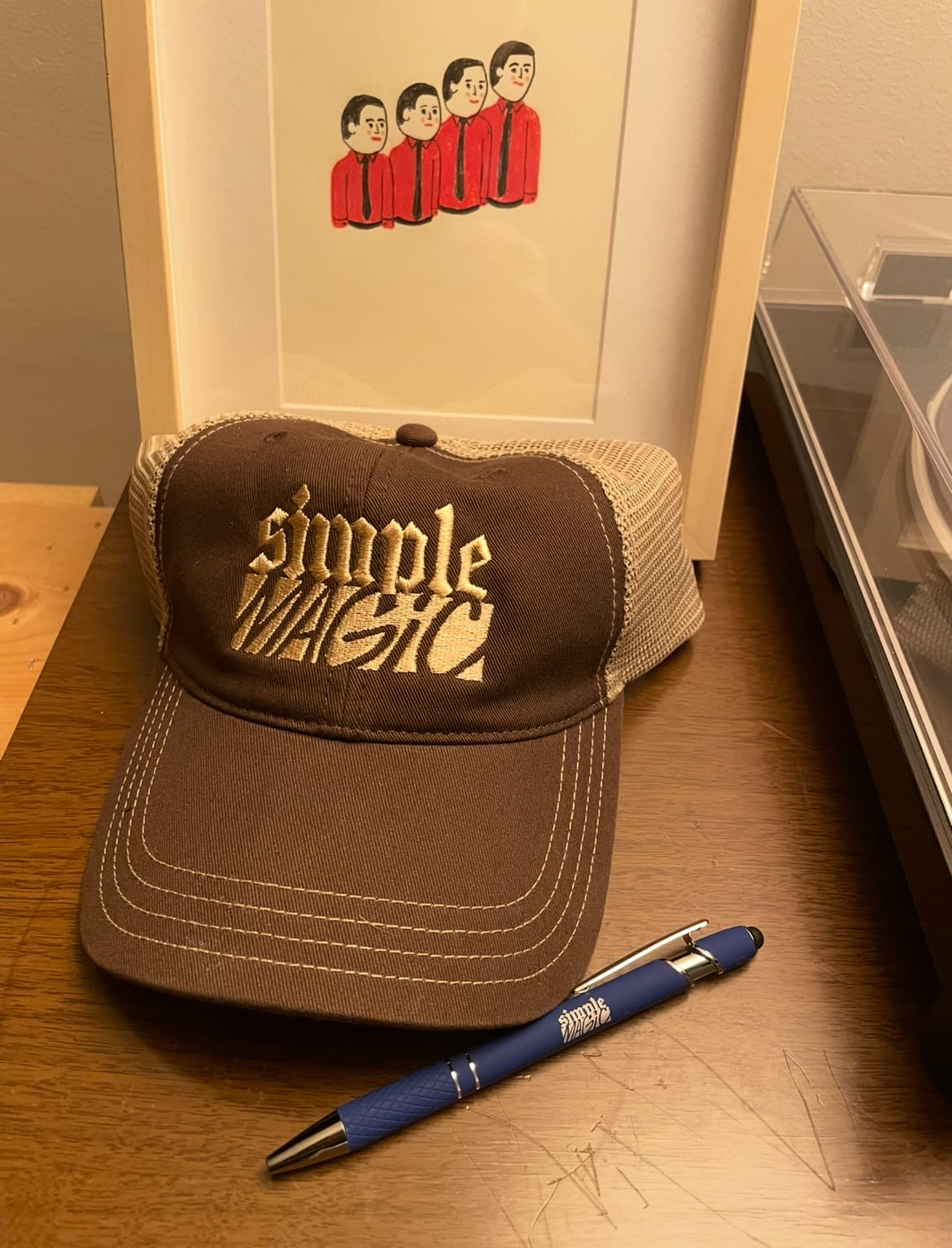
If you like tricks and treats, consider becoming a paid subscriber. Nothing on Simple Magic is behind a paywall, but your money will get you stickers and merch, go towards paying contributors for their great work, and put some dough in my pocket as I write these each week. You can also leave a one-time tip.
I finally got the new hats and pens in; shirts should be here next week. Ignore the scratched-up tabletop; it's just like that.
Something to consider:
 Sabrina Imbler

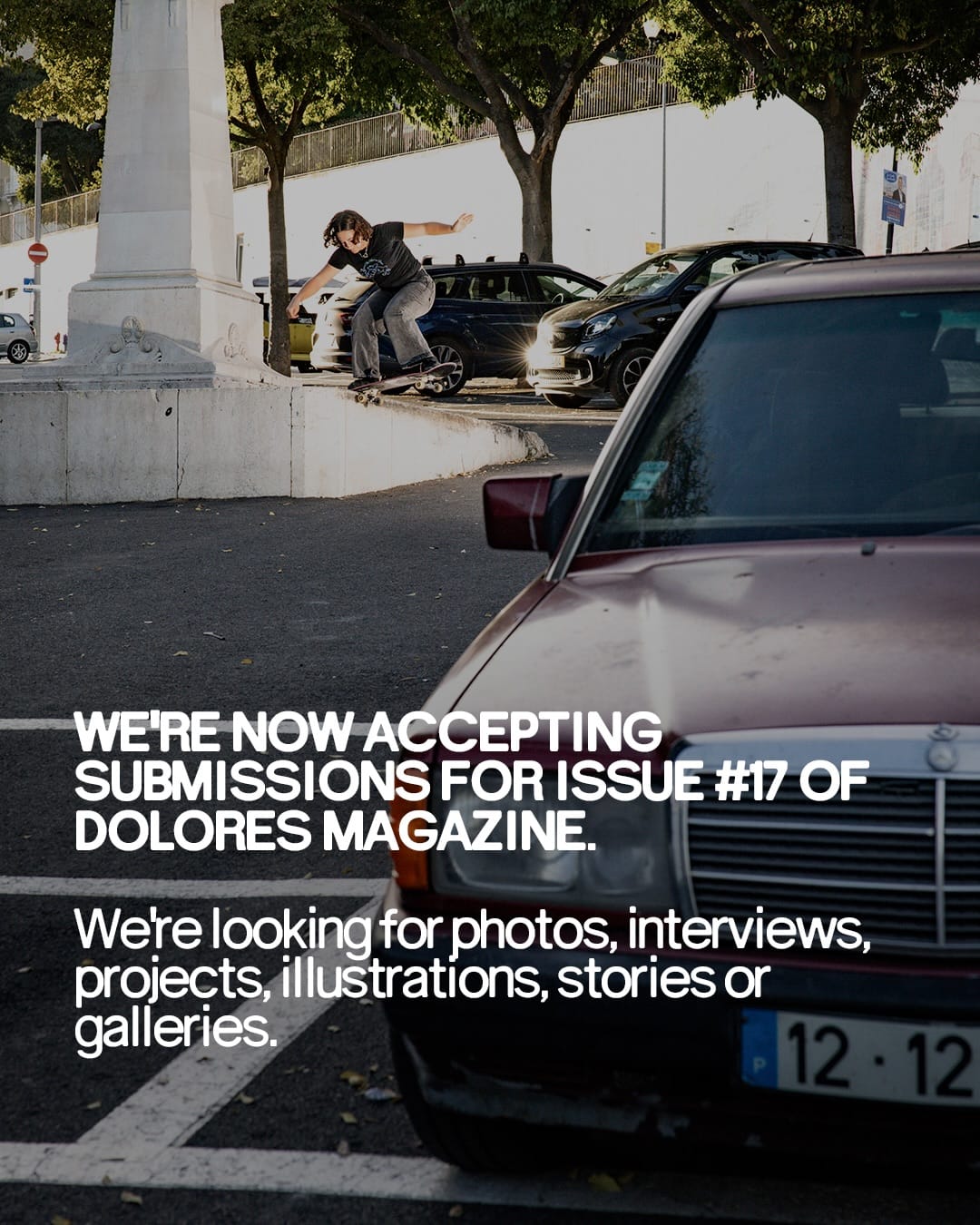
A submission call to consider:
Very good thing:
 Rachel Handler
Another good thing:
 Snack
More good things:
Rest in Peace:
 Alan Sepinwall

 Richie Assaly

Good pod round-up:
 Posted by Templeton

Good things about bad things:
 Ben Fowlkes
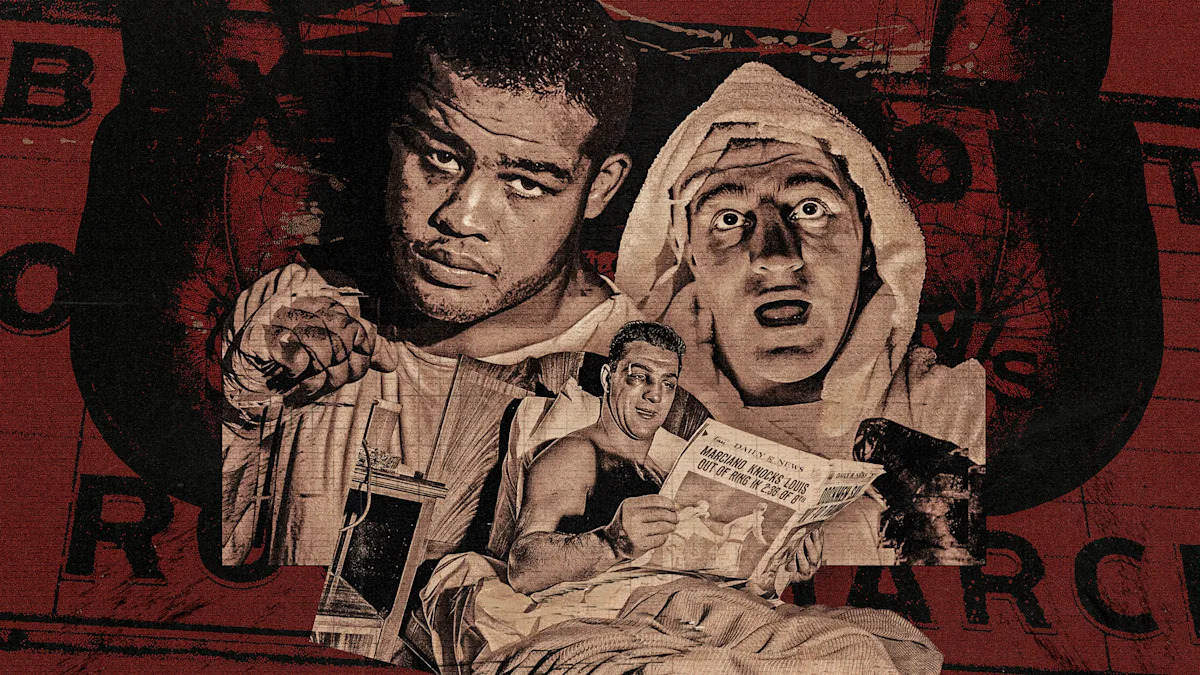
 Adam Morgan
Part of what I was getting mad about last week:
 Anna Koselke
It's the end of the month: I was back in The Tyee last weekend with an essay about being a renter in a renter-hostile city.
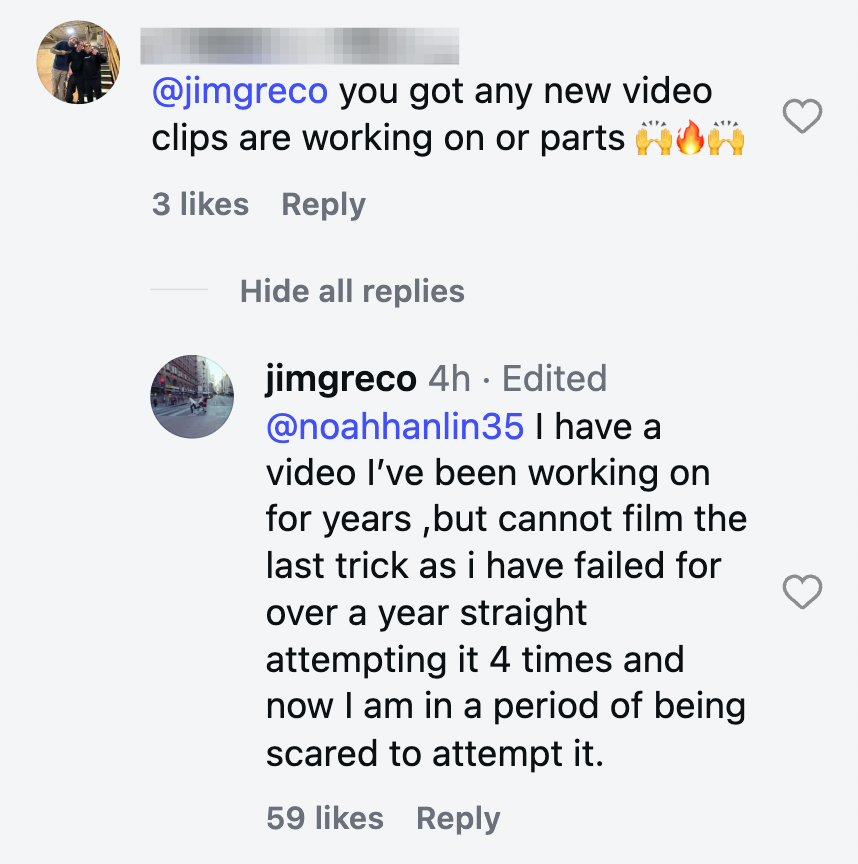
Until next week… as Greco shows us, it's okay to be scared — especially this weekend 👻


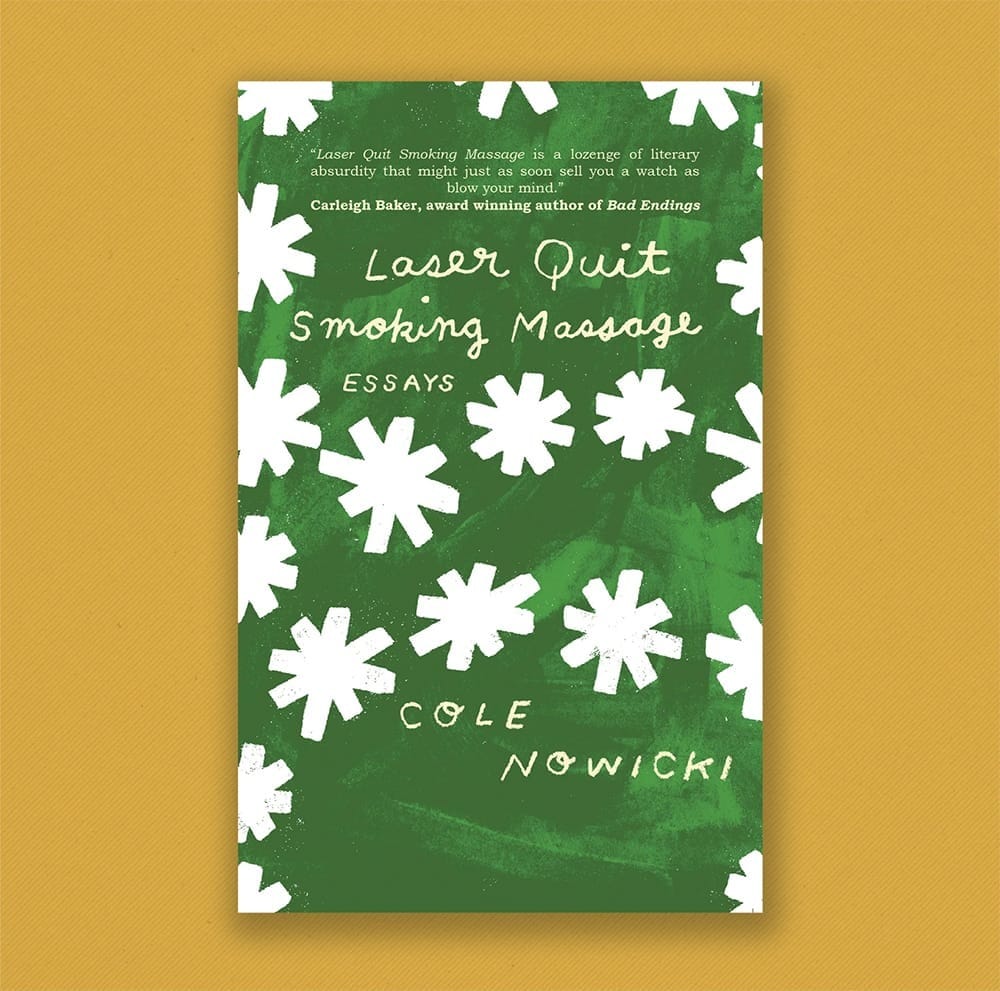
Laser Quit Smoking Massage
NEWEST PRESS
--------------------------------
A collection of essays that I think you might like. The Edmonton Journal called it a "local book set to make a mark in 2024," The CBC said it's "quirky yet insightful" (lol), and it won Trade Non-Fiction Book of the Year at the 2025 Alberta Book Publishing Awards.
Book cover by Hiller Goodspeed.
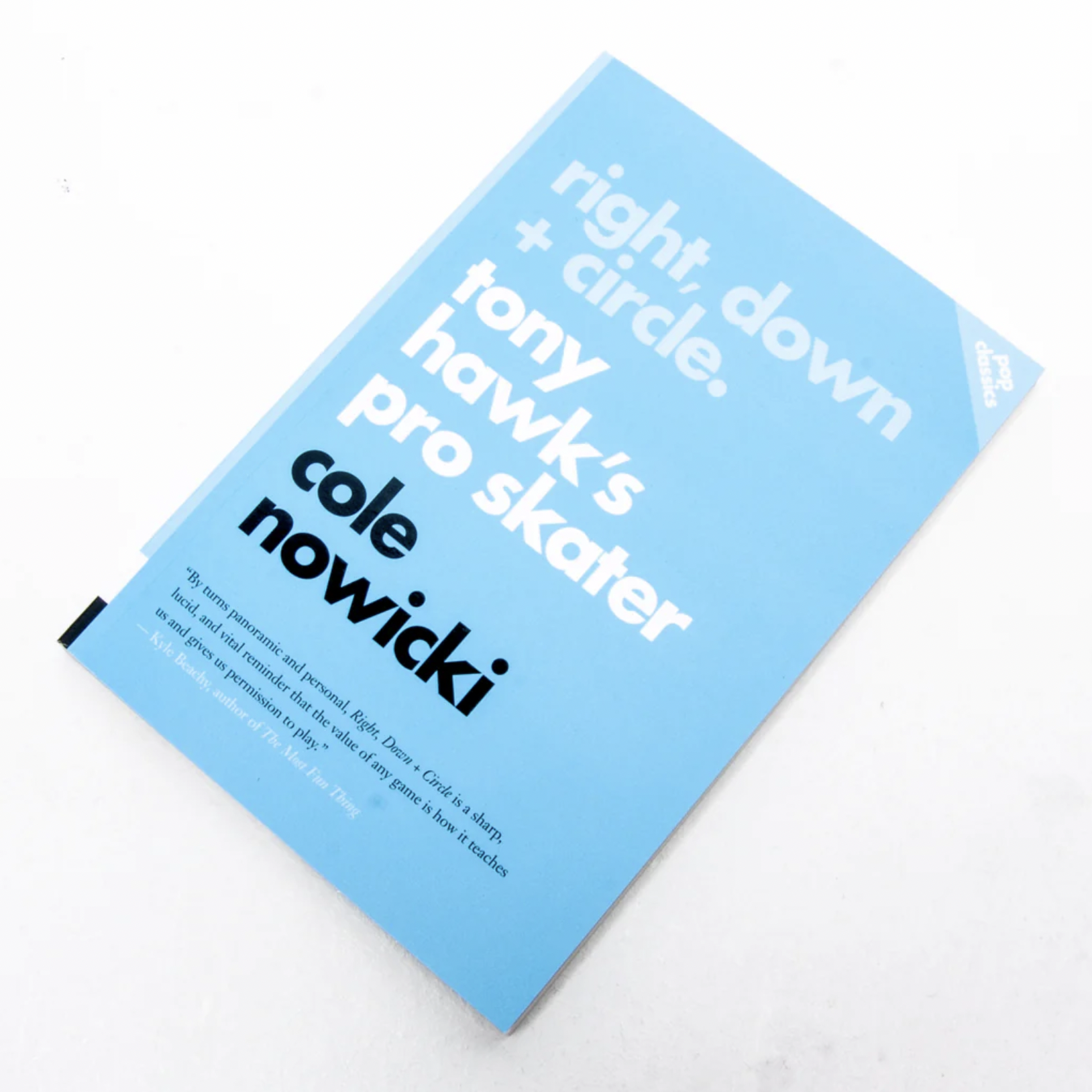
Right, Down + Circle
ECW PRESS
--------------------------------
I wrote a book about the history and cultural impact of Tony Hawk’s Pro Skater that you can find at your local bookshop or order online now. I think you might like this one, too.
Photo via The Palomino.