Radical worldbuilding
Thom Callan-Riley is back with a dispatch from Social Skate Summit in London, Asics and Late Nite Stars return from Japan with skatestoppers on the mind, The Nine Club Book Club for Strivers and Grinders, and more.


The definitive weekly ranking and analysis of all the skateboarding and other things online that I cannot stop consuming and how it makes me feel, personally.


Radical worldbuilding
A special correspondence by Thom Callan-Riley
Skateboarding has a complicated relationship with its own history. We constantly talk about how progressive and forward-looking it is, but there remains a kind of protective nostalgia that keeps us looking backwards. Perhaps as a consequence of standing sideways, we are constantly looking both ways. These last couple of weeks in London brought this into focus, with one event celebrating the past and another building the future.
On May 14, there was a release party for Elsewhere, a good-looking book written by Neil Macdonald. Your classic coffee table format: about the size of a skate mag, but as deep as a paving slab. It’s the result of six years of work gathering an oral history of the UK skate scene between 1987 and 2002. As someone who started skating in the UK in 1997, this is right in my wheelhouse.
The book meets Betsy Gordon’s rallying call — “Archives, bitch!” It is truly valuable as a piece of archival work. But there’s a troubling definite article that starts the subtitle of the book: The story of UK skateboarding [...]. Its promotional text is “the definitive oral history of British skateboarding”.
In fairness to the author, these kinds of emphases often come from the publisher in order to elevate the book’s importance. And sales. Subjective archival work is important and adds to our collective knowledge — more of it, please — but the framing matters in terms of who is included and who is left out. There are limitations to any project, of course — word counts, access to photographs, etc. — but this kind of skateboarding history project needs some criticality and some reflection on what, or who, is excluded. For example, the story of UK skateboarding in that period, according to Elsewhere, almost completely omits any women skateboarding. People might say this reflects the scene as it was then, but given the publication of Natalie Porter’s Girl Gangs, Zines, and Powerslides last year, which has a section on women skating in the UK during that period, with a photo by Wig Worland no less, it’s not a justifiable omission.
By the end of the following week, the focus shifted in the other direction. A scorcher of a bank holiday weekend saw the first Social Skate Summit. Bringing together social skate projects — charities, volunteer groups, collectives — its ethos was represented in the tagline of the first panel: “leave no skater behind.” The event was stacked with people who represent what skateboarding is now, and what is sure to be its future.
The act of gathering itself is immensely powerful and energy-giving. Skateboarders came from all over the world to be there. But it was more than just being there; they had intention. History was hardly mentioned at the summit1. People focused on what they are doing now and what they want the future to look like.
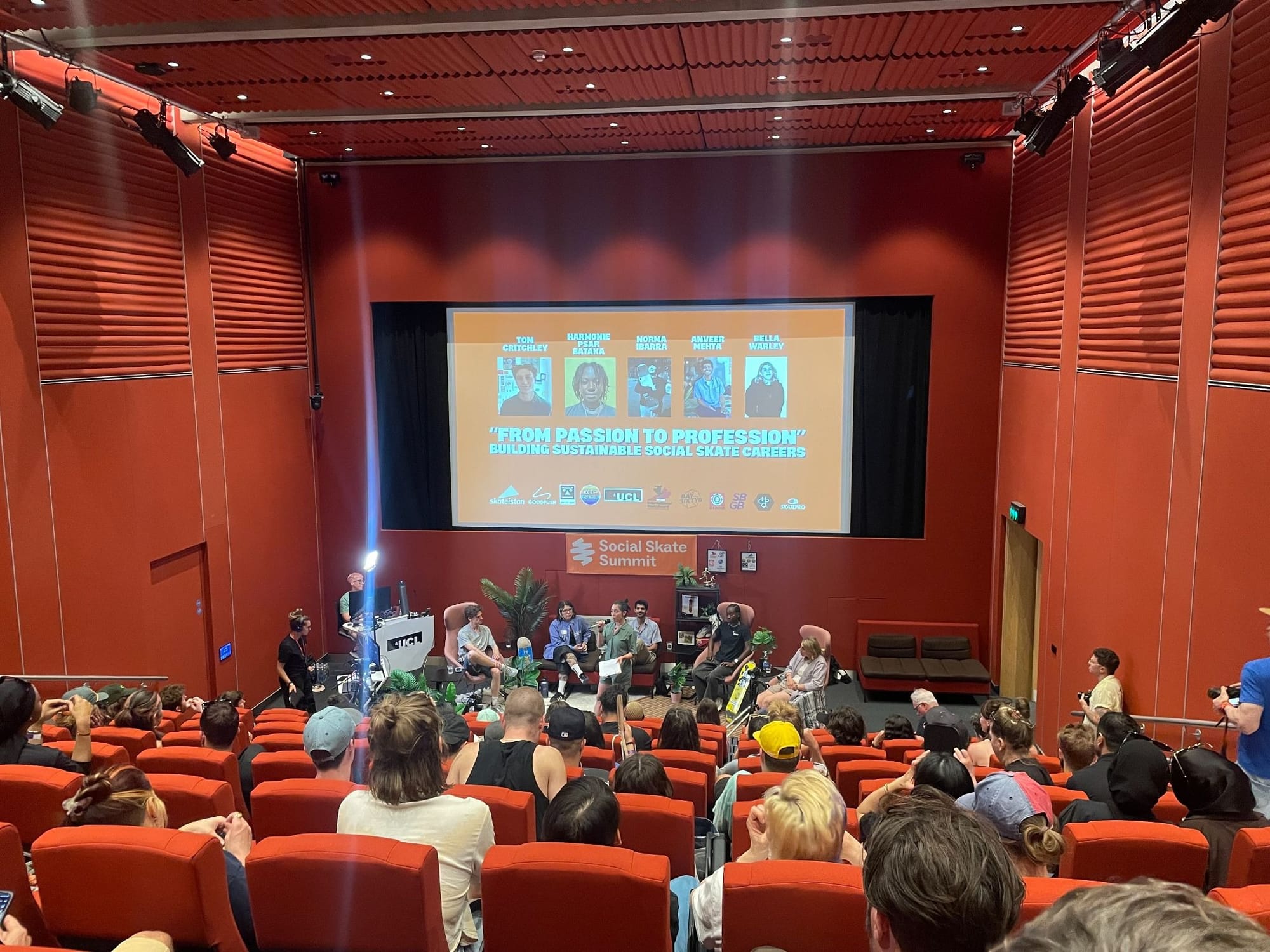
Versions of the Ghandi-adjacent quote “be the change you wish to see in the world” were dropped throughout the weekend. These words are somewhat overused in the charity sector. Maybe they’ve become a bit corny. But, if you phrase it differently, it sounds just like skateboarding: “DIY”, “Make shit happen.” Especially if we get away from the misnomer and realize that it’s never really “yourself” that you’re doing it for in skateboarding. Panel chair Tom Critchley has written about DIY as radical worldbuilding. That’s what was happening here. These gatherings themselves are a form of worldbuilding — they are making skateboarding what they want it to be.
Most of the panels tied into the threads of: How do we include everybody? How do we get paid for doing so? And how do we not destroy ourselves — physically and mentally — in the process?
So many of the projects represented are run either by volunteers or people who earn very little money for their work. But the social skate scene is now mature enough that people do want to find ways to make it sustainable as a job. Skateboarders are often lauded for their grit and resilience. This is even one of the pro-social benefits that these types of skate charities include in their funding applications. But you can only survive on grit for so long.
There was a sentiment shared in some of the panels that success comes from suffering. That this is part of the process of building something. But there is a risk that this mentality leads us too close to the neoliberal ideals being foisted on us by the very authorities and municipalities we’re trying to work with when running social skate programmes. Bella Warley reminded us to be aware of the line between being resourceful and being exploited. This echoes Ocean Howell’s warning that urban managers could be building skateparks because they expect skateboarders to display character traits of personal responsibility and entrepreneurialism. We need to stop aligning ourselves with entrepreneurs — even social ones — and think more like community organizers.
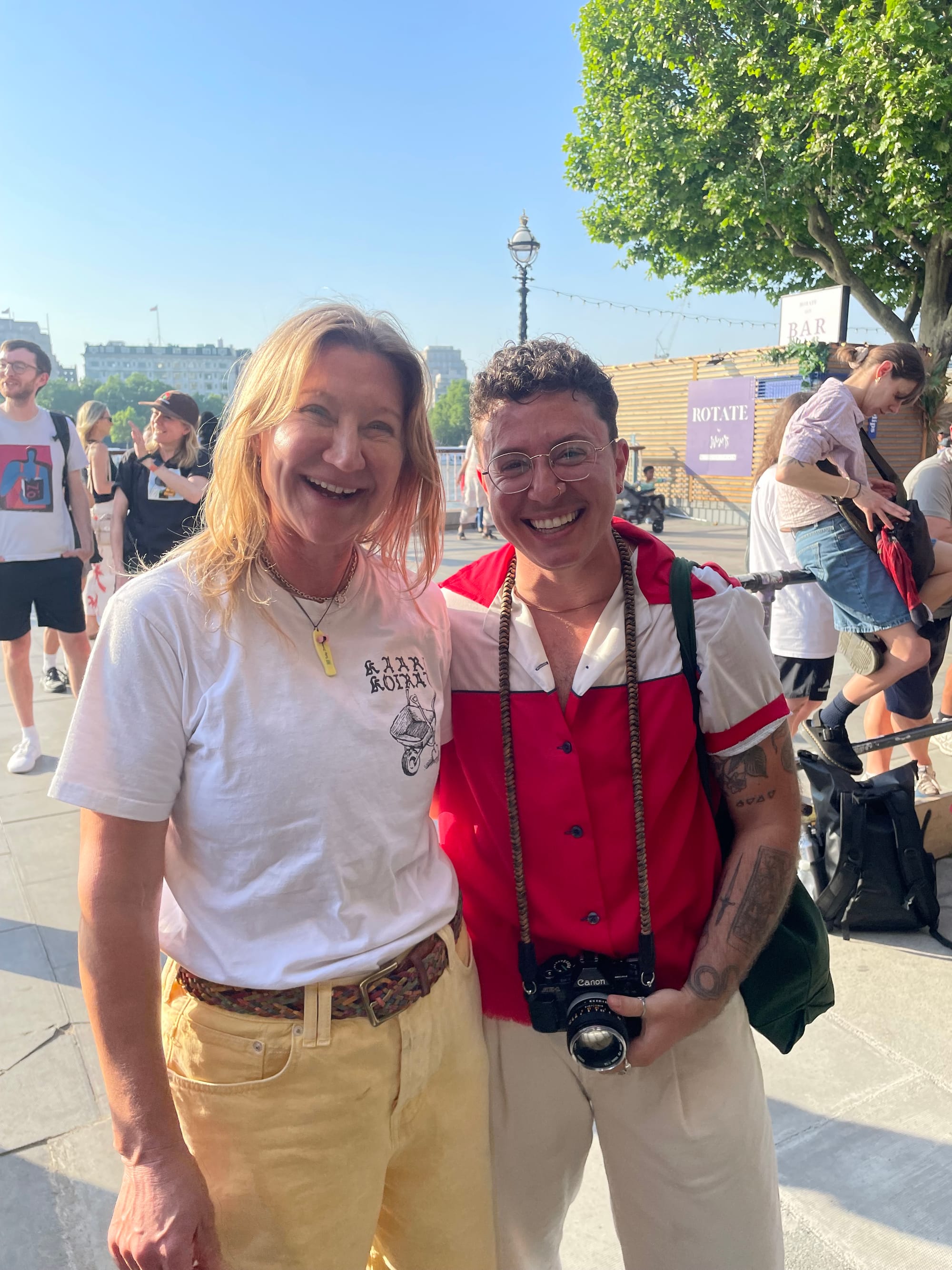
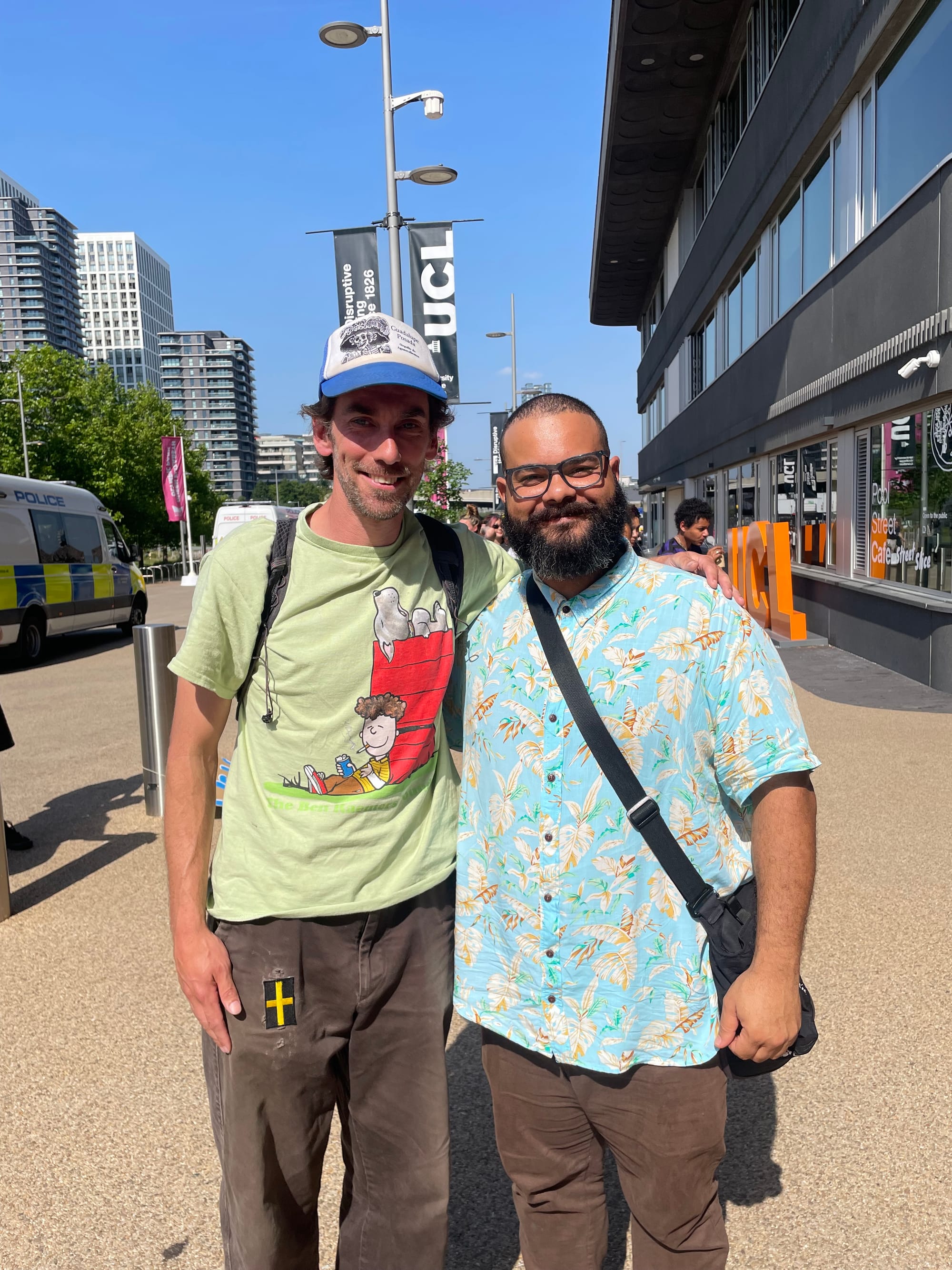
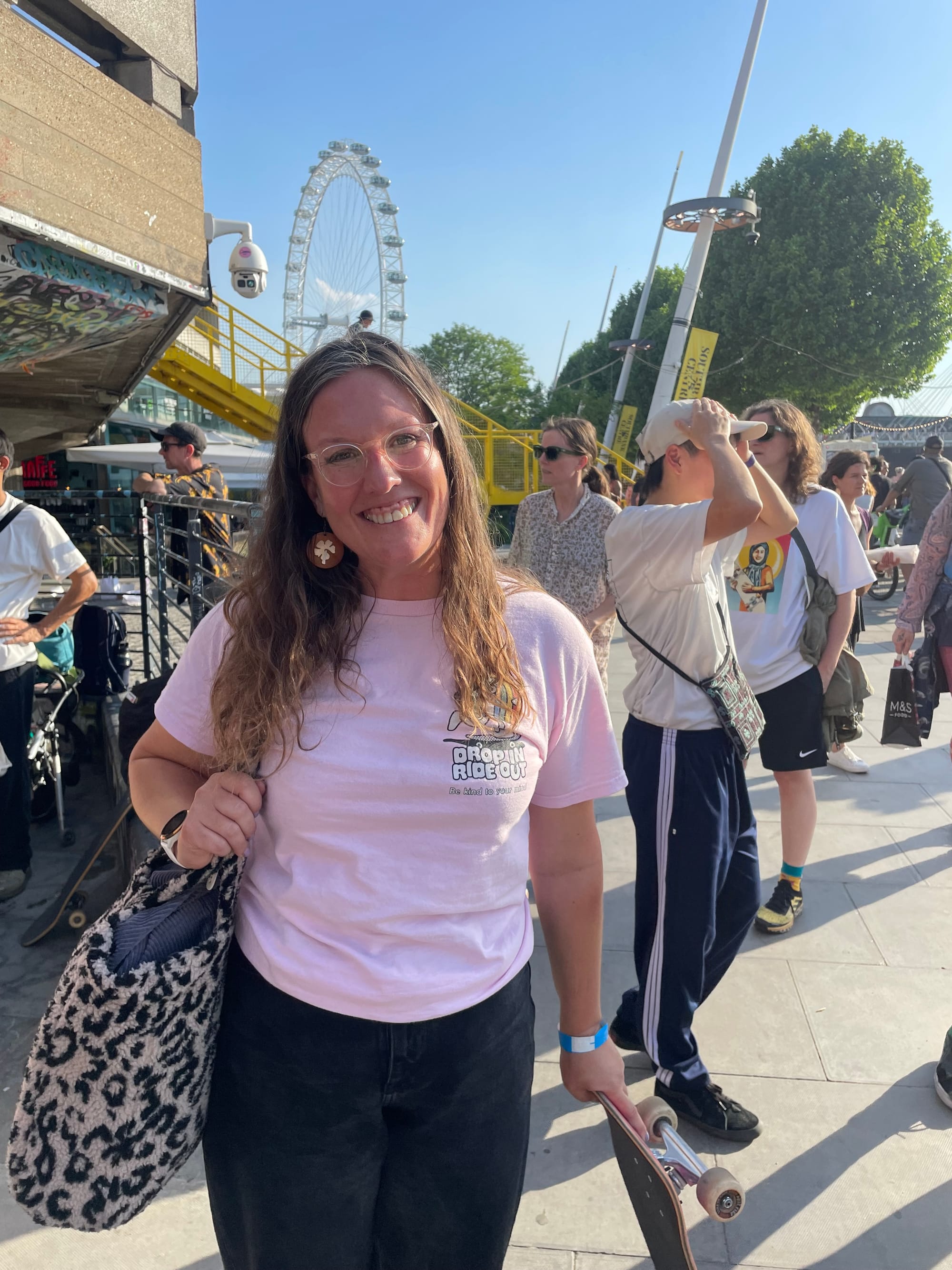
Panelists and attendees, left to right: Esther Sayers (one of the organizers, a panelist on "collective impact", co-designed the nearby skate spot called City Mill) and Lee Dubin (roving photographer and urban planner), Chris Jones (professional skateboarder and therapist) and Alberto Santos (panelist on "collective impact" and a sport psychologist at Confederação Brasileira de Skateboarding, Brasil), Sophie Friedel (Gestalt therapist and Founder of Drop In Ride Out, Germany) | Photos: Thom Callan-Riley
Norma Ibarra encouraged us to stop thinking with a scarcity mindset and start thinking about abundance. We don’t need to compete with each other; we should be creating more opportunities for more people.
The Summit recognized both viewpoints. Providing support for those currently overextending themselves (the panel on mental health is worth watching in full) and giving people the tools to build a sustainable future. It was about sharing knowledge and experience so that we don’t have to suffer to succeed.
1 One panelist did claim to have hippie jumped a Ferrari back in the 1970s, but independent adjudicators in the summit audience questioned this as a make. He really just jumped over the very tippy toppy front of the hood, and not, you know, the whole car.

Activating
Rank: 1
Mood: ⭐
It's brilliant. What else would you even call it? An "activation," sure, by the most soulless possible definition. But if a person allows themselves to have a little fun, to feel that oceanic rise and swell in their chest when Permission To Enjoy is finally granted, then "brilliant" is the word for what Late Nite Stars and Asics got up to last week.
These brands, in celebration of their collaboration with each other, sent their shared team members to Japan and returned with an excellent video by Chase Walker called The Stars of Midnight.
If you've seen it, then you know that the star of the show, besides Trung Nguyen, Zak Anders, Nic Valero, Alan Bell, Jake Lemonds, Victor Campillo, Val Verd, Nico Marti, and all of the others who do the skateboarding in it, is this one spot that they absolutely destroy.
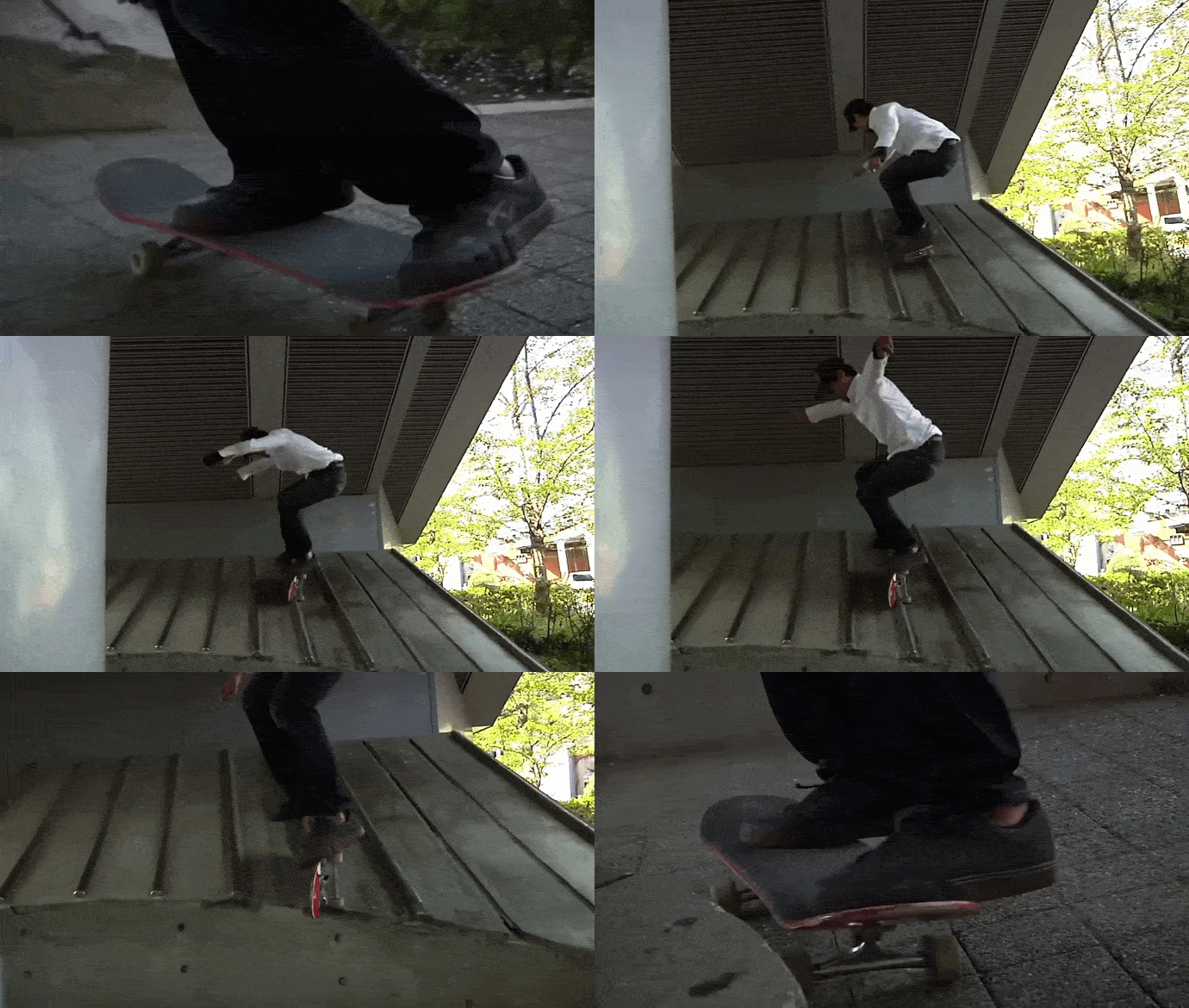
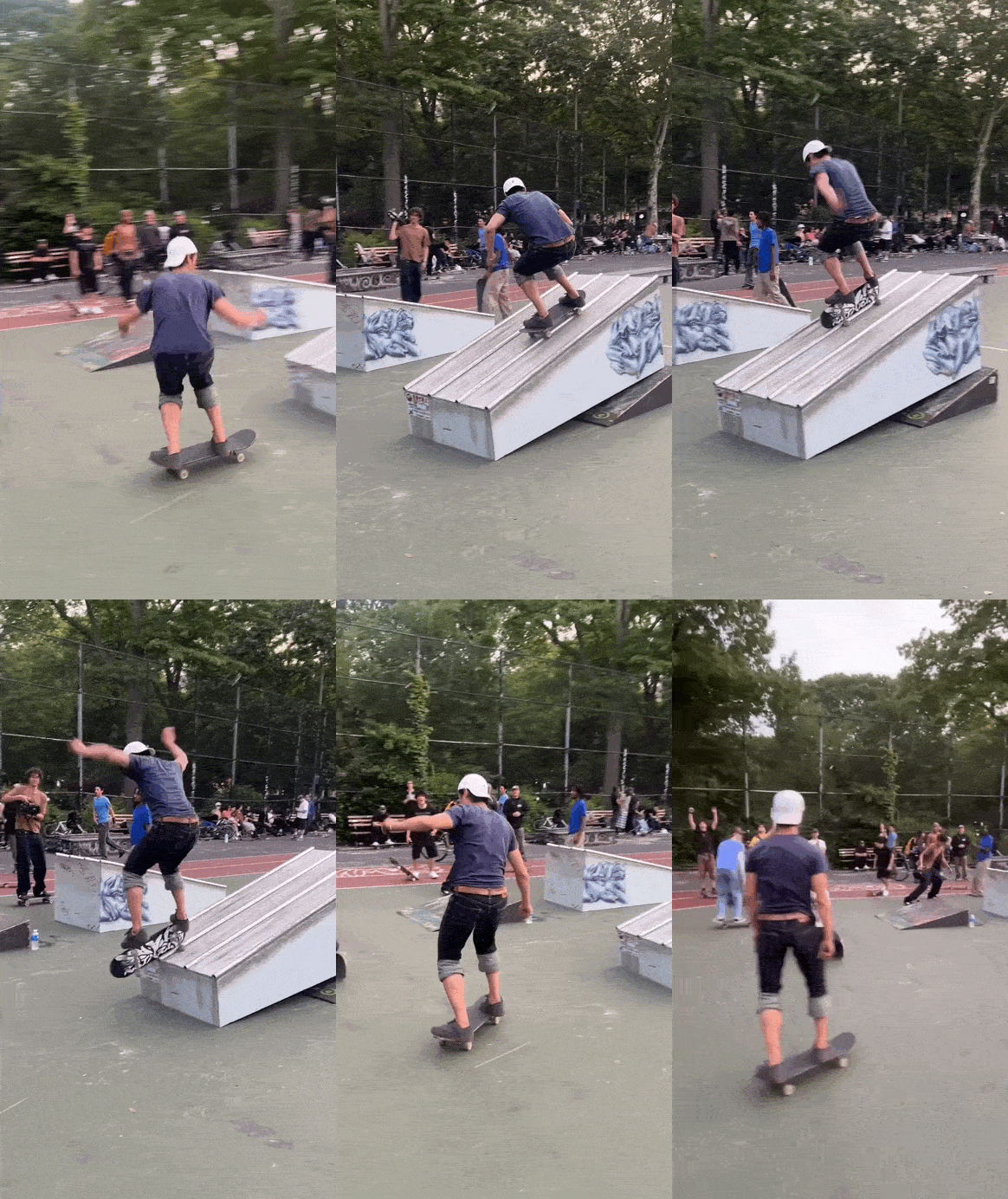
To further celebrate the collaboration between the two brands and the video that initially celebrated that collaboration, Late Nite Stars and Asics collaborated on building a replica of that spot and dropped it off at Tompkins Square Park in Manhattan. It wasn't a contest and there were "no prizes," it was just a thing to do. There's no downside to that — well, maybe one: the turnout probably would have been greater if the session hadn't happened at the same time the Knicks were doing unspeakable things to the Cavaliers.
So, why is this thing so special? Quartersnacks broke it down nicely.
What is skateboarding but a long-winded way to worship architectural banalities?
Among this worship, the highest exaltation might be recreating a banality that you found on the other side of the planet in your own backyard. The Late Nite Stars crew was so enamored with this — um, mellow bank with parallel round rails fixed into it — that the handful of clips on it in their Asia tour video for Asics was not enough. Assuming the original spot was made in effort to knob the bank itself, it’s pretty funny that their skatestopping efforts yielded a spot so unique that it is being reproduced in New York. Now everyone can feel the bliss LNS felt under that Tokyo bridge, because they’re dropping it off at Tompkins later today once the rain dries up.
If you want people to care about your collaboration, about your team of skateboarders, and their skateboarding, the easiest way to do that is to simply give them a reason. By drawing a genuinely cool throughline from product to promotional video to IRL obstacle, they've done that. Just look at Nguyen repeat his magic on home court.
Speaking of, Knicks in six.

You say goodbye, I say hello
Rank: 2
Mood: 👋
There tends to be something in the language used by the professional skateboarder in the midst of a career change that is at odds with itself. It can be distant and honest. Gratious and petty. Buffed with a PR polish, if the buffer was left to run itself across the floor.
Take, for example, Frankie Villani's farewell Instagram post announcing his departure from Primitive Skateboards this week.
Thank you so much @primitiveskate for the last almost 10 years of support, you guys really have become like family to me and I will always value the great times we have had during these years.
I appreciate everything the brand and team has done for me and I wish nothing but continued success
With that being said I no longer skate for primitive
Thank you all so much 🙏🏻💕
While most of that statement is comprised of, I'm sure, genuine if platitudinous sentiment, the deployment of the prepositional phrase "with that being said" implies a certain coldness or, if you want to read too far into it, contradiction. Despite all of these nice things, I no longer wish to be associated with this organization.
It's harmless, though, just reads a bit funny, like how Former announced Elijah Berle to the team on Tuesday.
“Ring ring, I look down and I see Elijah’s name on my phone. Within the first thirty seconds he dropped the small talk and asked if there was any room at Former. It wasn’t the call I was expecting and didn’t really have to give it much thought. I asked him what his goals were and what he wanted to do at the brand. All he said was the he wanted to skate his ass off and continue making video parts. He also said that he couldn’t imagine riding for anyone else, which was just the sentiment we wanted to hear. Everyone on the team up until this point clearly understands where we are at as a brand. We simply want to support our friends, support their visions, make films, travel the world and do whatever we want. I told him I would chat amongst the team and everyone else before getting back to him. Here we are two months later with a welcome section, a full Elijah collection in development for 2027 and a new member of the team that we are extremely proud to have along for the ride. Welcome to the team Elijah!”
— FORMER Founder : Austyn Gillette
There's a certain matter-of-factness that edges into the glib amongst the praise in Gillette's intro, but it's also quite charming, considering the history he and Berle share. Now, this all might read as criticism, but I'd much rather look at a rogue floor buffer zig-zagging across the room than the bleak replicant LinkedIn missives of the recently hired and fired, which are more like a Roomba stuck in a corner.

Choose your stage decorations wisely
Rank: -9
Mood: 💸
Who am I to judge a person's reading habits? Generally, what happens between a person and the printed page is no one's business but theirs. However, there is an important distinction between consuming and endorsing.
Say you read self-help books. That's fine. If they help, hey, even better. But if you line the bookshelves in the background of your popular online talk show with them, you've moved beyond consuming into endorsing, which means it's fair game to comment on their contents.
Especially if you're a skateboarding podcast like The Nine Club, which, according to my very cursory research, has since its April 27 episode with Steve Rocco and Mike Vallely prominently placed several self-help books of varying degrees of discomfiting right behind their guests' heads, adding even more books by the time Erik Ellington's episode was uploaded last week.
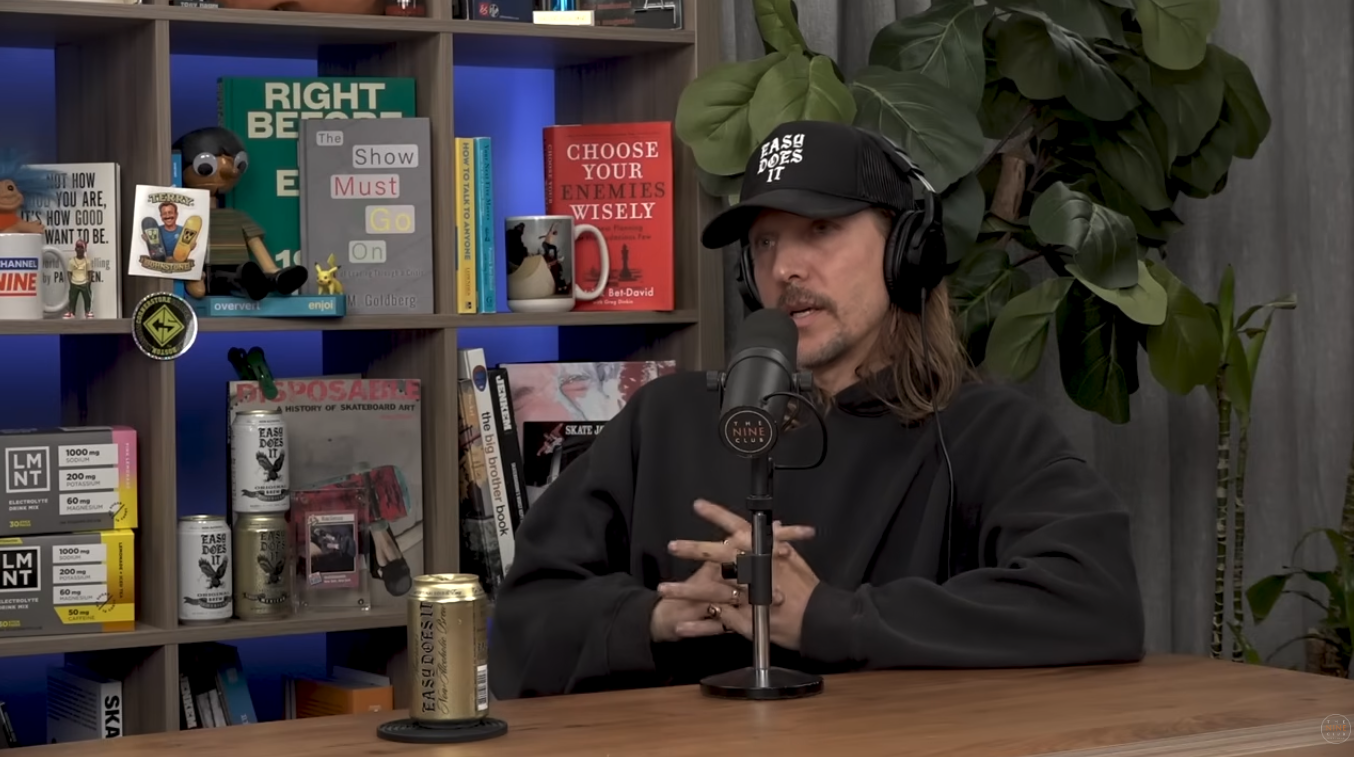
The entire shelf is full of titles like Extreme Ownership: How U.S. Navy SEALs Lead and Win by Jocko Willink and Leif Babin and It's Not How Good You Are, It's How Good You Want To Be by Paul Arden. Behind Ellington you'll find The Show Must Go On: The Art of Leading Through a Crisis by Les Goldberg and How to Talk to Anyone: 92 Little Tricks for Big Success in Relationships by Leil Lowndes, as well as two books by Patrick Bet-David (co-written with Greg Dinkin), Your Next Five Moves: Master the Art of Business Strategy and Choose Your Enemies Wisely: Business Planning for the Audacious Few.
Why? Why are all of these books placed with care behind some of the biggest names in skateboarding on skateboarding's biggest talk show? Maybe The Nine Club has a book club for strivers and grinders, I'm not sure. Whatever the reason, it's not a stretch to say that, for the undiscerning viewer, that placement can be read as an implicit endorsement of the books by whoever's nearest.
It also reads as quite sad. A projection and pitch of a type of entrepreneur business-bro lifestyle that (presumably) the crew of The Nine Club envision themselves as living, and one they think their audience might be open to. It almost goes without saying that the authors of most of those books are different shades of grifter.
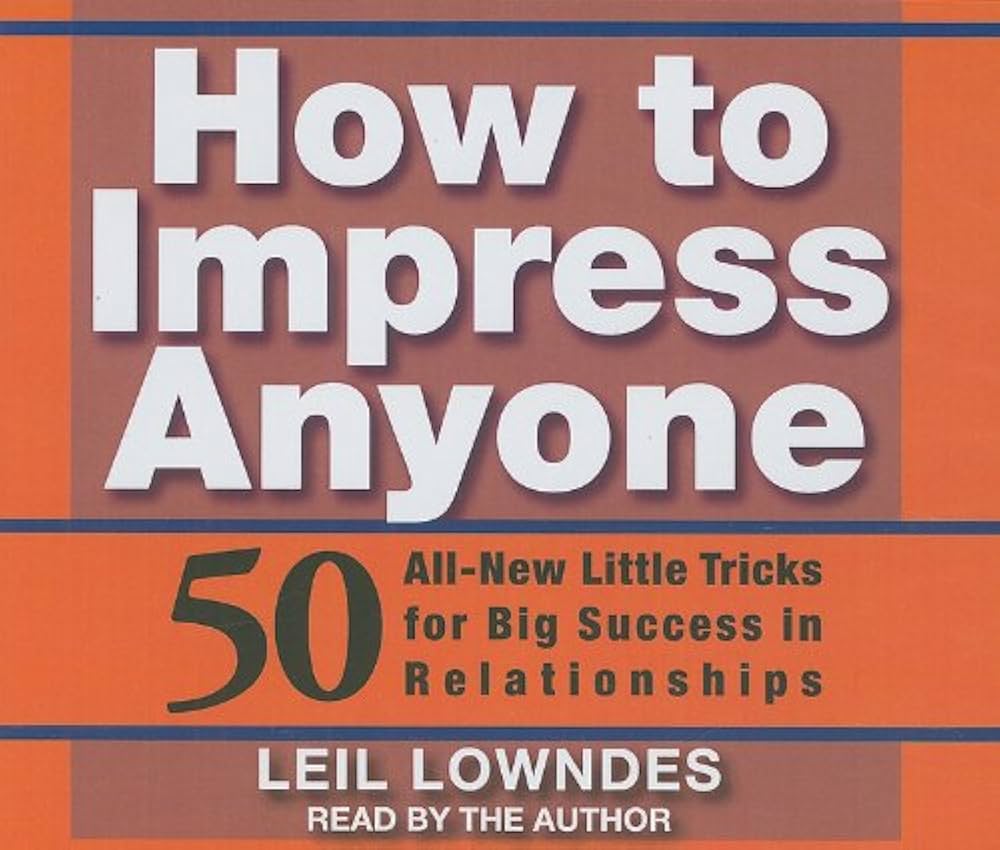
To get the gist of Lowendes' lengthy career, scan a few of her other titles, like How to Make Anyone Fall in Love with You, its more measured sequel How to Make Anyone Like You, and Undercover Sex Signals: A Pickup Guide For Guys — finally, something for the fellas. Willink is a former Navy SEAL officer who leveraged his military experience into a career as an omnipresent podcast guest, talking head, best-selling author, and "leadership guru" for those who need a protein-powder shilling Gunnery Sergeant Hartman in their lives. Another notable part of his CV, under Willink's command, SEAL Team 3's Task Unit Bruiser has been accused of murdering civilians in Iraq. The most prominently positioned author on The Nine Club shelf, Patrick Bet-David runs his own multi-level marketing scheme, is a rabid Trump supporter and a generally odious media personality who recently promoted a company on his show that bilked investors out of hundreds of millions of dollars in a straight-up Ponzi scheme.
I understand the appeal of the self-help genre, and not all of it is drivel of the kind penned by the charlatans mentioned above, but if what you're after is a way to get the most out of your one precious life, I'd also consider reading some poetry.
by Tony Hoagland
Don’t take it personal, they said;
but I did, I took it all quite personal—
the breeze and the river and the color of the fields;
the price of grapefruit and stamps,
the wet hair of women in the rain—
And I cursed what hurt me
and I praised what gave me joy,
the most simple-minded of possible responses.
The government reminded me of my father,
with its deafness and its laws,
and the weather reminded me of my mom,
with her tropical squalls.
Enjoy it while you can, they said of Happiness
Think first, they said of Talk
Get over it, they said
at the School of Broken Hearts
but I couldn’t and I didn’t and I don’t
believe in the clean break;
I believe in the compound fracture
served with a sauce of dirty regret,
I believe in saying it all
and taking it all back
and saying it again for good measure
while the air fills up with I’m-Sorries
like wheeling birds
and the trees look seasick in the wind.
Oh life! Can you blame me
for making a scene?
You were that yellow caboose, the moon
disappearing over a ridge of cloud.
I was the dog, chained in some fool’s backyard;
barking and barking:
trying to convince everything else
to take it personal too.

Want to impress friends, colleagues, and lovers alike? Consider becoming a paid subscriber. Nothing on Simple Magic is behind a paywall, but your monies will get you stickers and merch, and go towards paying contributors for their great work, as well as put some dough in my pocket as I write these each week. You can also leave a one-time tip.
Something to consider: A few tributes to Marc Johnson.
Boil The Ocean's "Watching Forever"
 Anthony Pappalardo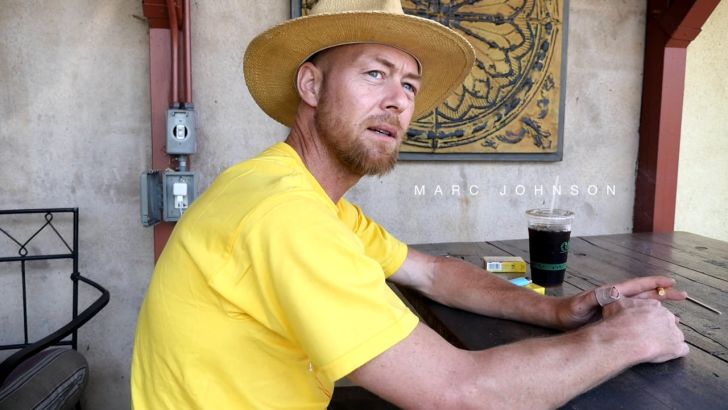
 Sam Buchan-Watts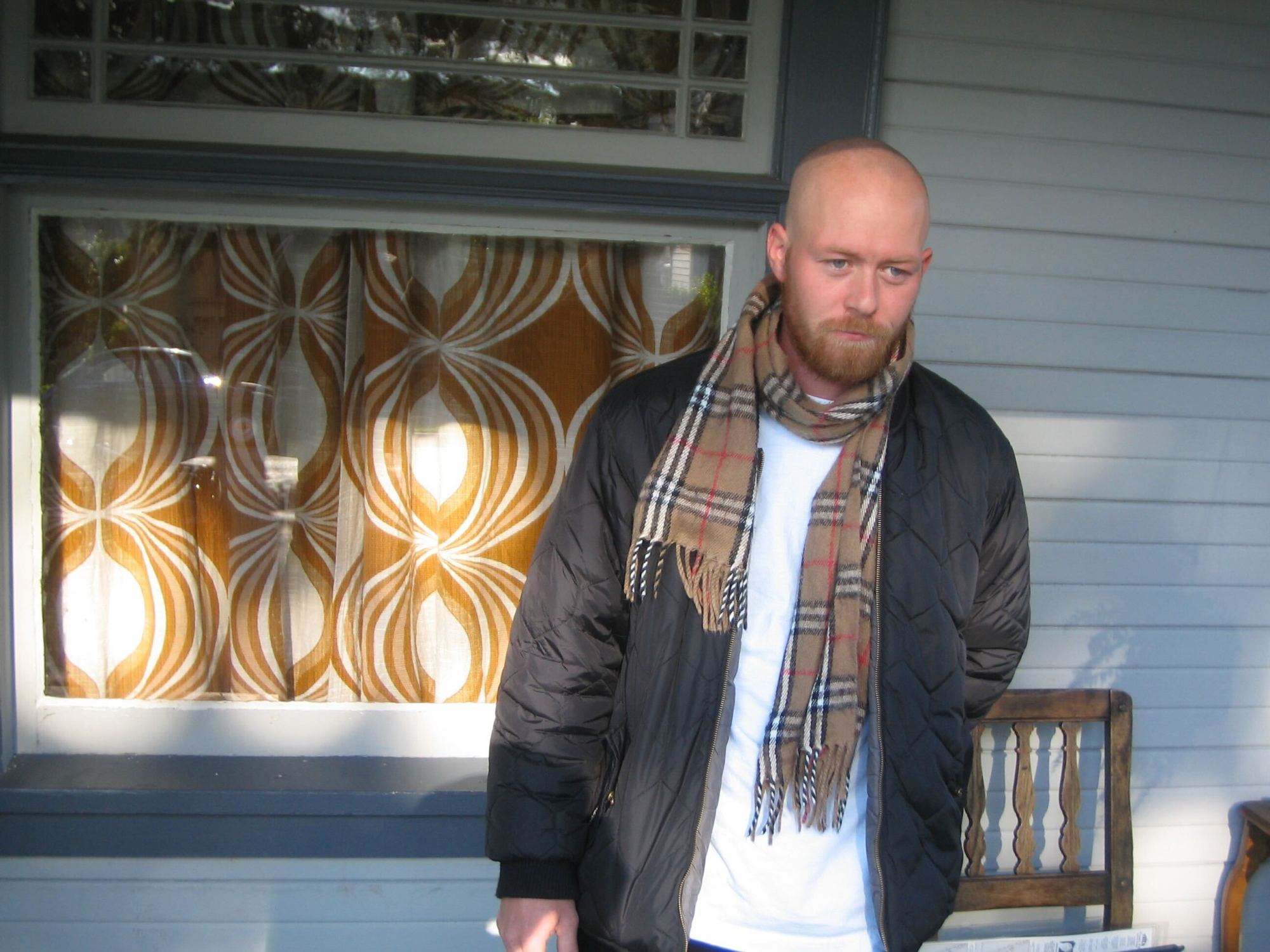
 A. Grizz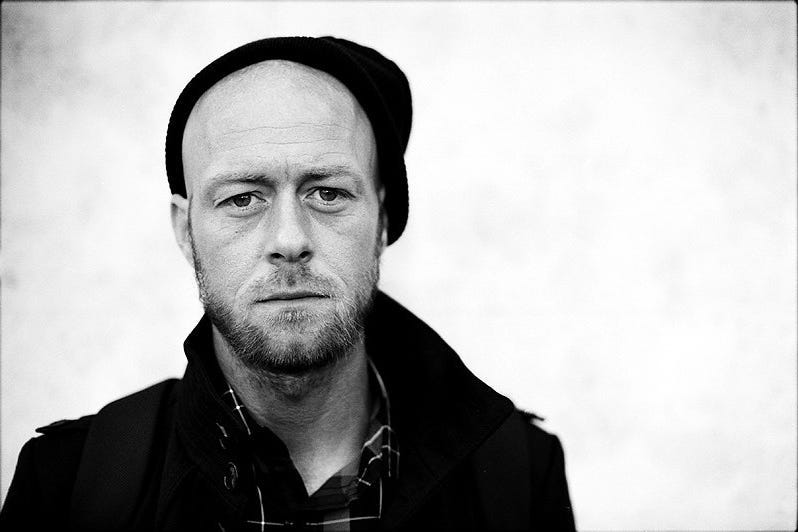
 Cole Nowicki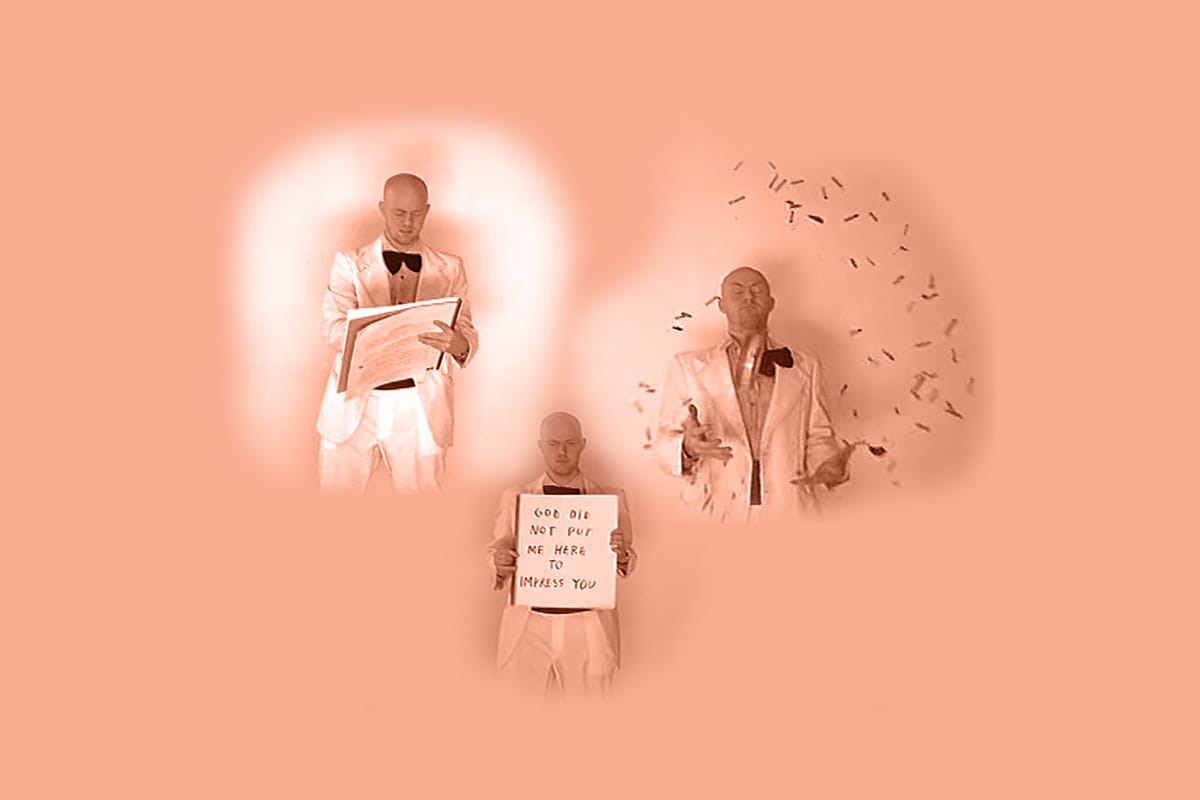
From last week.
A beautiful thing:
 Noah McManus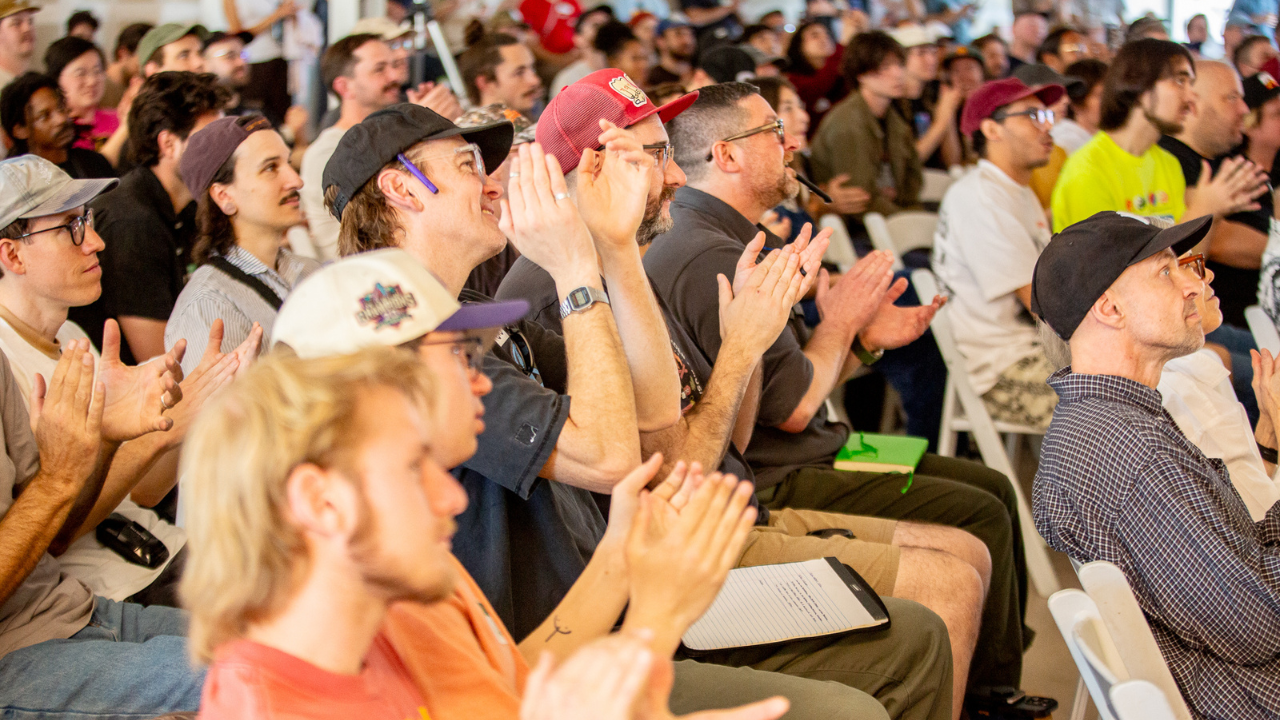
Another one:
 Emma Healey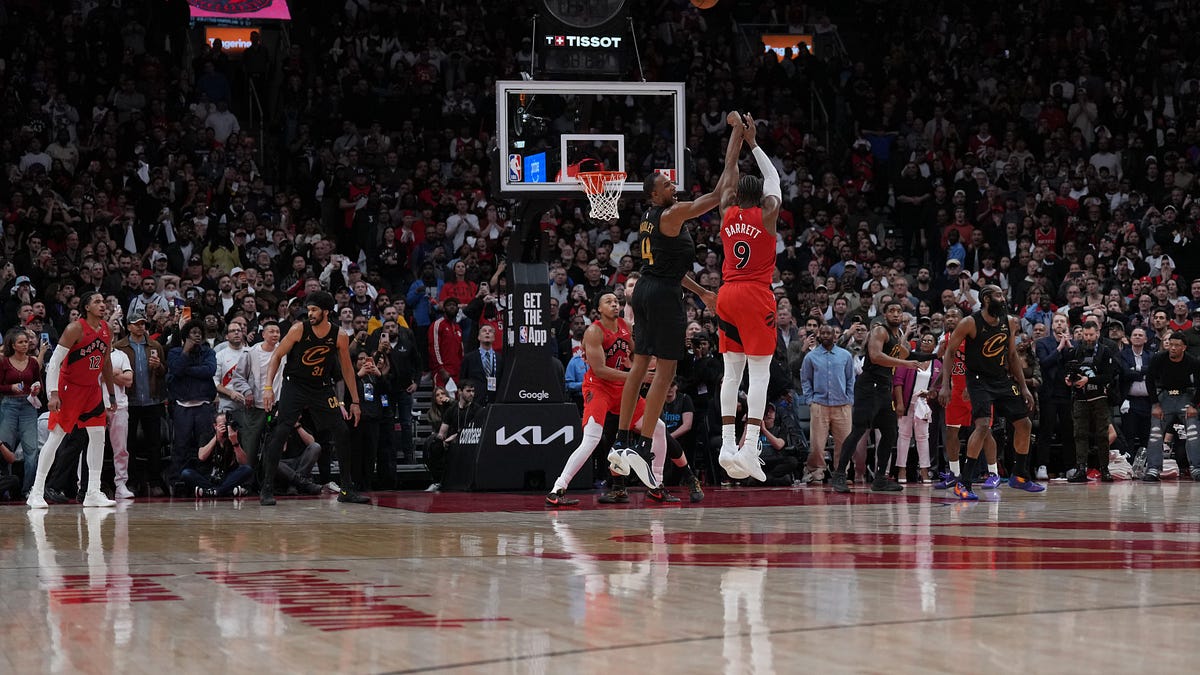
Complicated 50-year-old things:
 Matthew Barr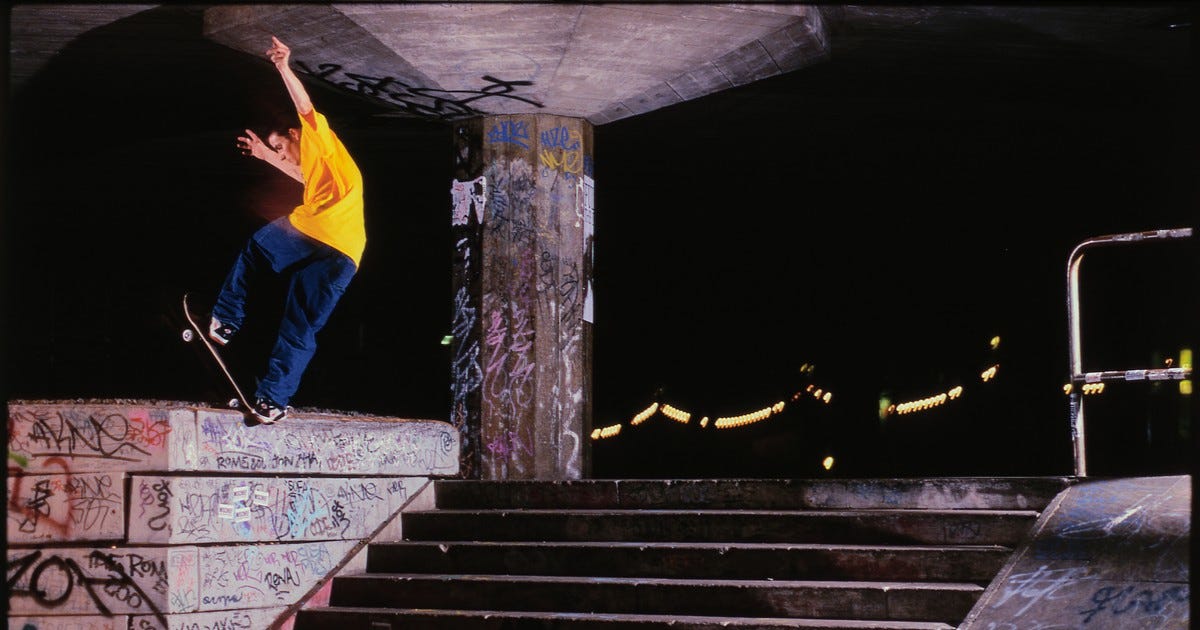
"50 Years of Skateboarding in a Brutalist Concrete 'Beast'" by Eleanor Standord for The New York Times.
Another good thing:
A good question:
 Sharon Nadeem
 Aaron Timms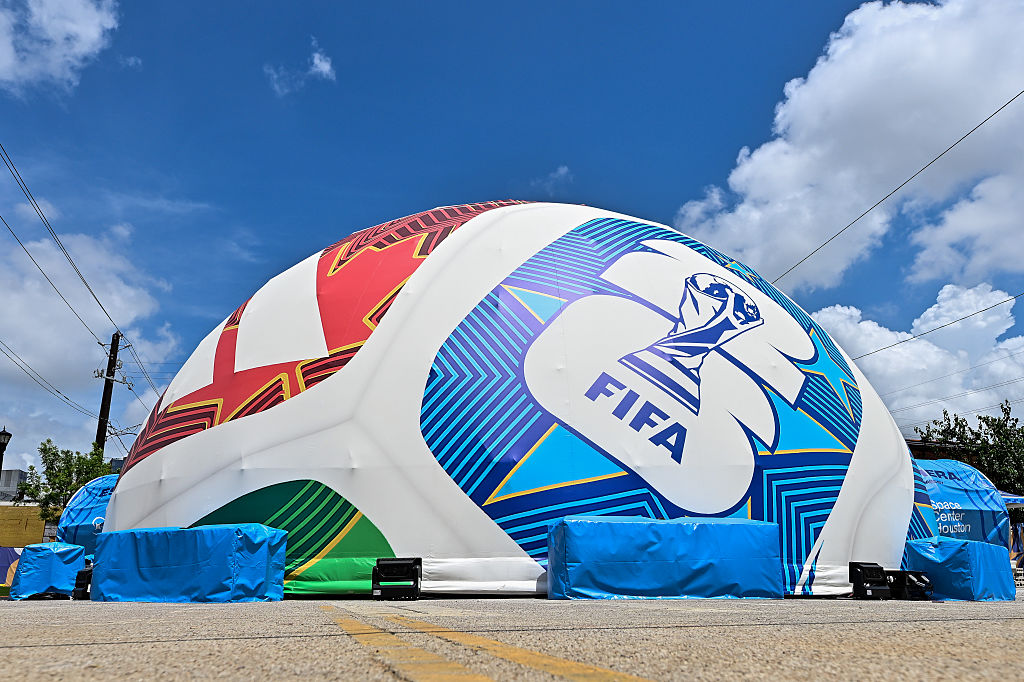
Yes, this will endear you to the public, FIFA.
 Amy Judd and Angela Jung
Speaking of endearing yourself to consumers:
 Jason Koebler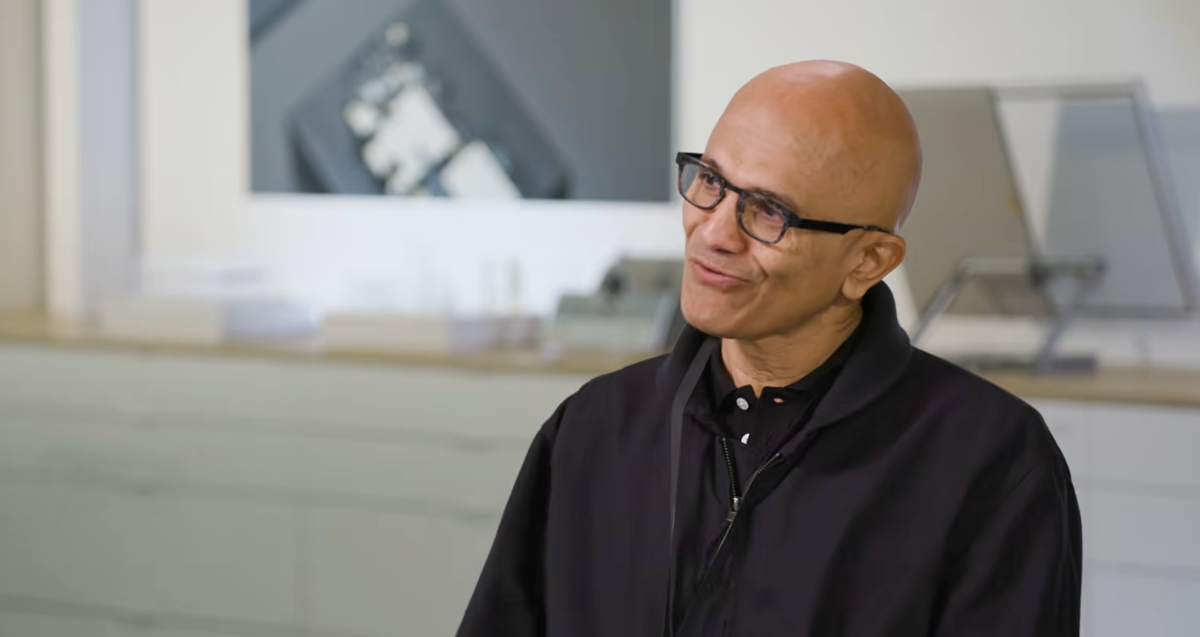
A good thing from earlier this week:
 Ruby Arnone
Game one ripped:
 Chris Thompson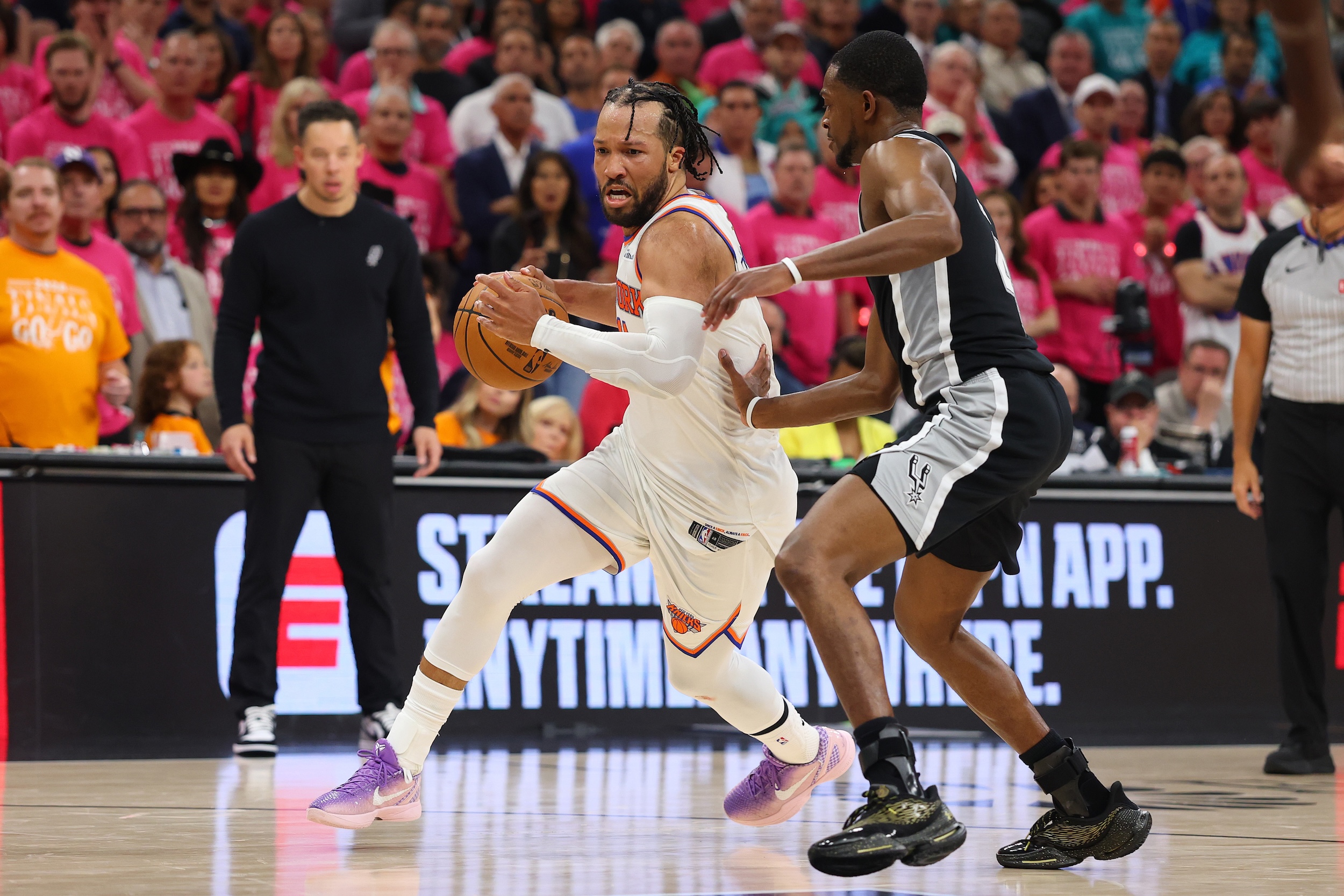
Until next week… let's all read more poetry.


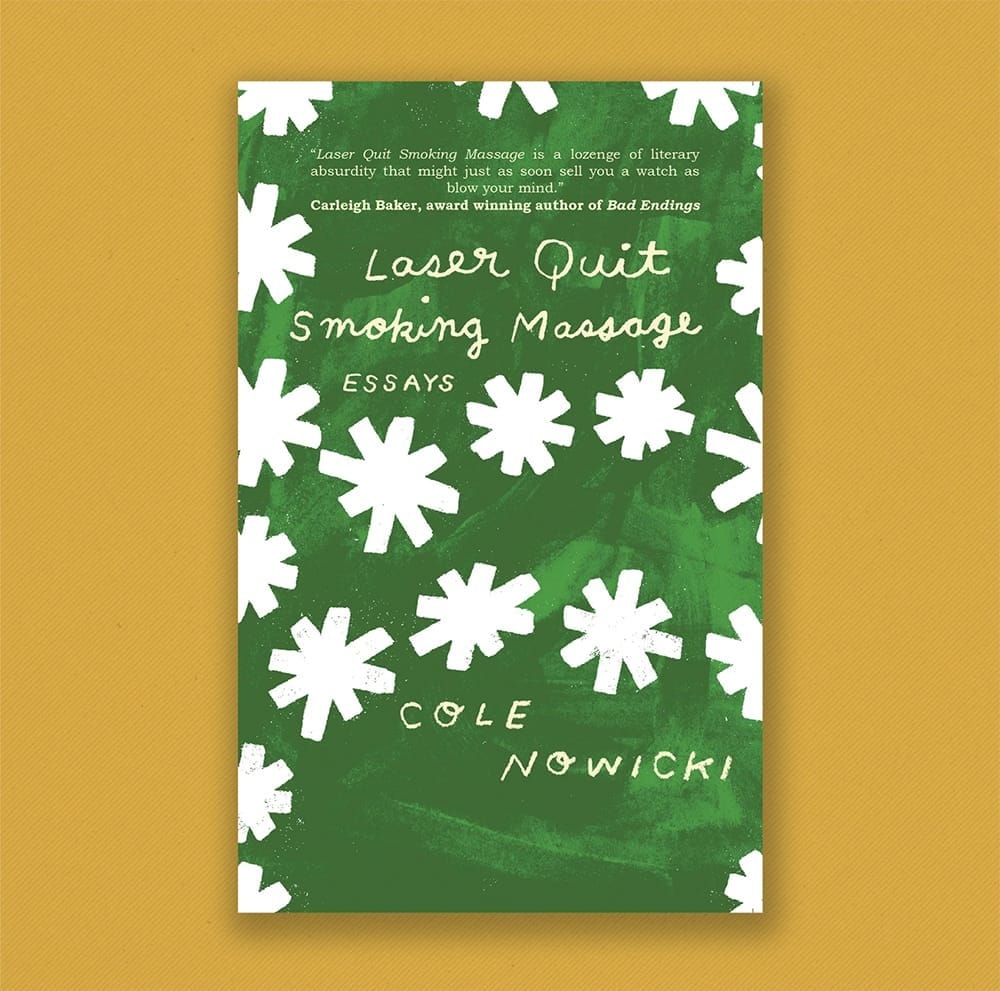
Laser Quit Smoking Massage
NEWEST PRESS
--------------------------------
A collection of essays that I think you might like. The Edmonton Journal called it a "local book set to make a mark in 2024," The CBC said it's "quirky yet insightful" (lol), and it won Trade Non-Fiction Book of the Year at the 2025 Alberta Book Publishing Awards.
Book cover by Hiller Goodspeed.
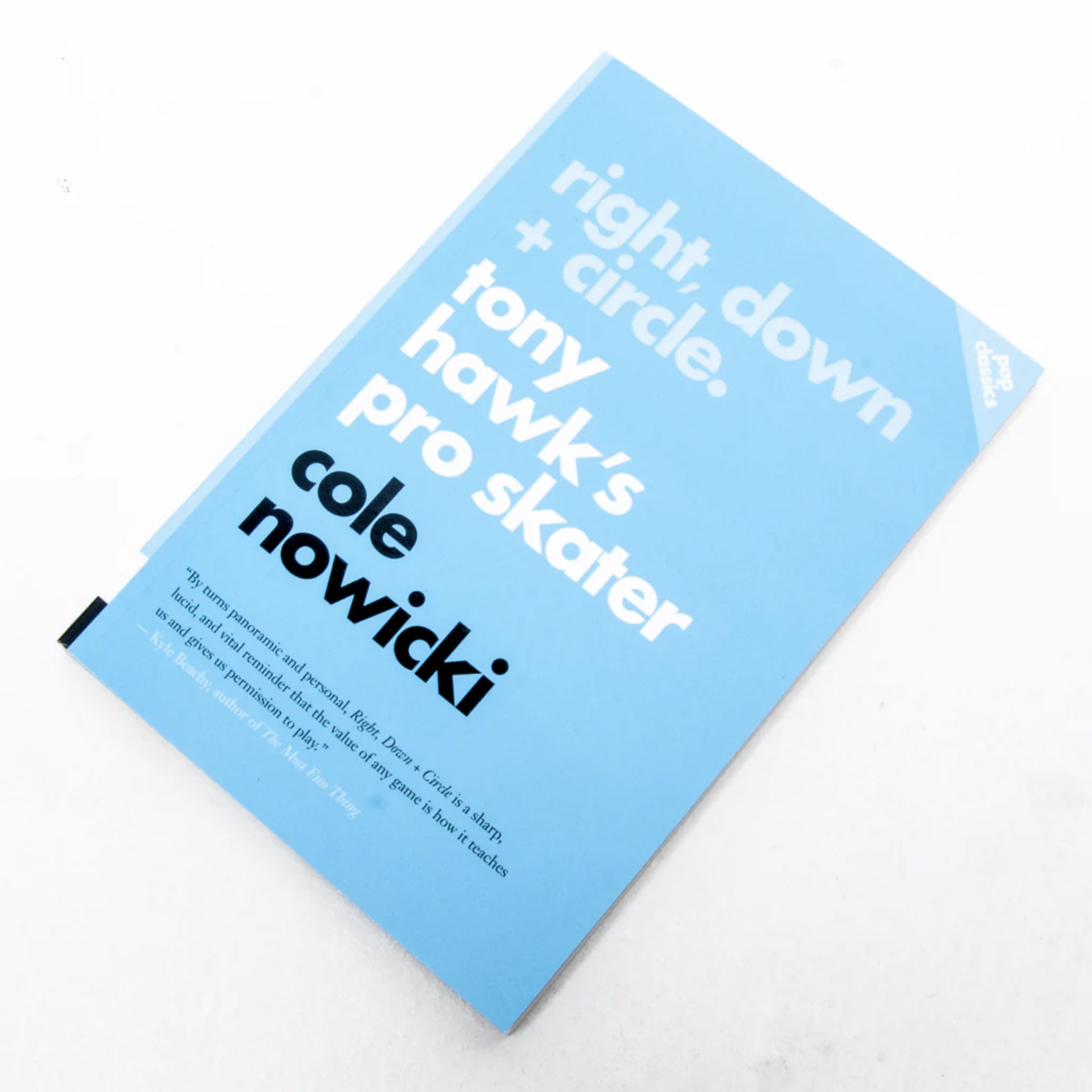
Right, Down + Circle
ECW PRESS
--------------------------------
I wrote a book about the history and cultural impact of Tony Hawk’s Pro Skater that you can find at your local bookshop or order online now. I think you might like this one, too.
Photo via The Palomino.