I gotta start praying into my hat
P-Rod's SHS takes PSL, Brian Glenney's little bit of misery, the bright side(?) of corporate parasitism, a woodpecker pecks, and more.

The definitive weekly ranking and analysis of all the skateboarding and other things online that I cannot stop consuming and how it makes me feel, personally.


A little bit of misery
A special correspondence by Brian Glenney
A prisoner painted on the wall of his cell a miniature train entering a tunnel. When his jailers come to get him, he imaginatively made himself very tiny, entered into the picture and climbed into the little train, which started moving, then disappeared into the darkness of the tunnel. For a few seconds longer, a bit of flaky smoke could be seen coming out of the round hole. Then this smoke blew away, and with it the picture, and with the picture, a person.
-Gaston Bachelard, The Poetics of Space, 1958
In the corners, cracks, and holes of the city, we skaters, like Bachelard’s once-imprisoned painter, escape. We imaginatively paint our little vehicle onto the three-dimensional streets. Our pushes and tricks take us through dark tunnels where freedom beckons.
Cities are built to make people feel a little bit of misery. Why? We will buy a bit more stuff to cope, the reasoning goes. This helps explain why we feel a nagging when we walk around town or, more vigorously, in a mall. We inexplicably need to buy something.
If we cannot buy something, the nagging to consume sometimes turns to a habit of crime, often harmless crime: scofflaw. Scofflaw is another way we cope with the city’s little bit of misery. Ironically, while urban planners invented architectural strategies to keep out the crime while also controlling consumers, they often add a bit more misery. The planned city is meant to feel like a prison; watching eyes discipline most behaviours.
We skaters cope with the city’s little bit of misery with a funny combination of petty consumption and harmless crime. We illegitimately consume city spaces. But our crime is more like Bachelard’s view of poetry: “With poetry, the imagination takes its place on the margin, exactly where the function of unreality comes to charm or to disturb — always to awaken.” To some, our skating charms. To others, it disturbs. It awakens all from slumber.
Ocean Howell may have been reading Bachelard when he identified skateboarding’s sonic poetry as its main vocation: “skateboarding makes people feel uncomfortable; it gives lie to the simulation and reintroduces conflict.” It’s odd to think of skateboarding’s consumptive practices as so alarming. That’s not what we skaters think of when we skate a spot with our friends. We film our trick and hopefully get it before the bust. We are not thinking like a poet. We are not even thinking like a prisoner. When we are at our best, we are not even thinking.
All of the sorting of what we are doing is not in our heads. We might say it’s in our heel — our bodies do the thinking for us, freeing our minds for play and the pleasure of friends. Our bodies know the city is a prison, and our bodies cope with irresistible urges of consumption and crime, and the body knows to perform these on the margins, to keep it like a secret.
Are skaters poets? It’s not even worth asking. We best keep all that sorting shit out of our heads and in the heel. And if we look at the heel, or the performances of a skater’s identity, we find that they are tied to their spaces — their spots. What exactly is the heel doing there, anyway?
Consider three premises of the heel’s knowing, what Bachelard calls a “fantasmic logic.”
2. Salvaging: Many spots are too far gone for the heel to glean. The city is a wasteland, and its spaces have the look and smell of selfish rot rather than giving spoil. But the heel knows to salvage concrete gold from the accumulated urban waste. We don’t even think about it as we rub brick, lacquer, and wax. Sometimes we whip out a hammer and loudly whack away at any dog ears that might stop us. Whatever it takes to remove the rot in our way of play.
3. Excavating: Some spots are already baked up in our heel’s attention but need some excavation to make them reality. Bags of cement stirred into bottles of water poured into a form to guide our trowel manifest our heel’s phantasmic imaging into reality. Like archeologists, the heel uncovered the layers of ancient play formations for close study, and urges their manifestation.
Whether gleaned, salvaged, or excavated, the heel’s poetic urban performances operate like a philosopher’s stone, transmuting urban spaces for our play.
Back to Howell’s sonic poetry of the skater. For skaters are like those who escaped Plato’s cave, returning to set the prisoners free of their simulation. When we skate, we reveal to the city’s citizens their false sense of security and uncultivated play. Without us, city spots are spoiled, dead, or forgotten. Our gleaning, salvaging, and excavating make the city real, a home. But ours is not a home with permanence — there is no “forever home.” As Bachelard said, “A nest is a precarious thing, and yet it provokes confidence and security.”
Bachelard was enthralled by bird nests. Homes that lurk in the margins of the ephemeral, whilst the most precious events of life occur, and are as quickly abandoned, within. Let’s add the ant’s hill, the bee’s hive, the cat’s box, etc. Excavate the evidence of antcraft and birdcraft in forests, catcraft in the house; this is like the skater’s spot and its skatecraft in the city. These temporary homes populate an ecology’s corners and cracks. Spots, like nests, exist in precarious security. They are homes of the wildest sort, where misplaced confidence is smiled upon by the universe, and creative life comes into being — hatched, fed, and then flown away only to repeat again.

Death and rebirth or something like it
Rank: ?
Mood: 🤷♀️
Maybe there's something to be considered, in the positive, about once-and-currently beloved skateboarding companies being consumed by Authentic Brands Group, the IP-hungry conglomerate that has acquired and dismantled much of the skateboarding world you would be familiar with if you started skateboarding in the 1990s.
Because when you look at the recent track record, both Element Skateboards and Volcom, after nearing death under the auspices of ABG's various North American licensees, have settled into separate autonomous enclaves (or new licensors, in the case of Volcom Europe) and released excellent videos.
Things must be destroyed before they're built again, no? That's a healthy way to view corporate parasitism. Anyhow, just trying to stay optimistic given the news that ABG is circling Converse, vulture-like.

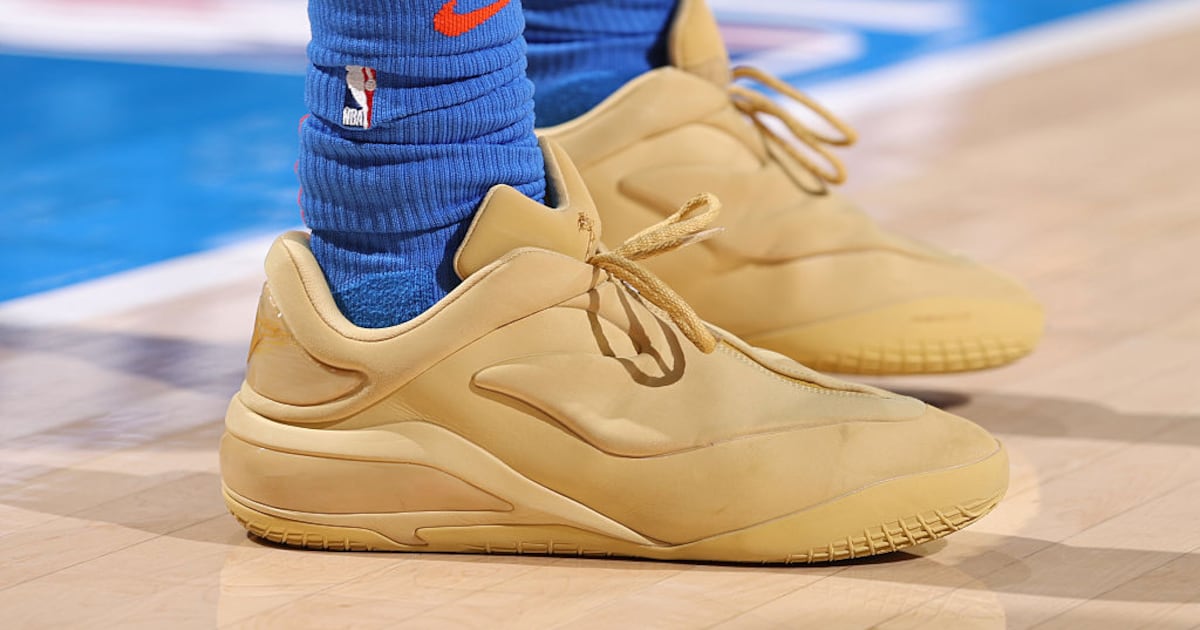

I gotta start praying into my hat
Rank: 1
Mood: 🏆
After a rocky start and an overall uneven inaugural season in terms of action and production, the Professional Skateboarding League crowned its first-ever champion over the weekend. The PSL finals were a pretty accurate reflection of that season as a whole, starting with the semi-final games, which were either slogs or blowouts with subtle flashes of interest.
Paul Rodriguez's SHS vs. Jamie Foy's Tropics was a low-scoring affair, with only three total tricks landed, all of which were defended, in the 3rd quarter — until Foy's team collapsed in the 4th, giving up six points and ultimately losing 10-5. Chris Joslin's Wolverines scored 10 points in the 1st quarter of their semi-final matchup against Nyjah Huston's Soldiers, even with Joslin on the sidelines due to injury. A shellacking looked imminent, but Huston and company clawed back admirably before falling 15-12.
This set up a finals faceoff between SHS and the Tropics. In my professional analysis as the only living PSL beat writer: That game fucking ruled. It was the best of what the PSL format has to offer. As Rodriguez says in the pseudo-anthemic promo package that runs multiple times throughout every broadcast, playing a game of S.K.A.T.E. down a set of stairs "takes the guesswork" out of the competition. There are no judges. Land something and defend it. If you don't, that's a point. It makes the stakes easier to grasp for the uninitiated and lays them out in the plain language of Sport for all.
And as impressive as it is to watch Yuto Horigome string together a gold-medal worthy run, watching Raw Hungry Ams like Julian Agliardi and Kristion Jordan set and defend one another's switch and regular bigspin heelflips, front heelflips, and much more — establishing something close to a rivalry in the process — is as impressive as anything else I've seen in competitive skateboarding. Best of all, it was back and forth all the way through; each team's defence was solid, and their offensive consistency was some of the strongest of the season.
There were also several pockets of high drama, from Jordan falling on a nollie-backside-180, the first trick of the night, to Paul Rodriguez coming off the bench to perfectly defend switch backside and frontside kickflips in a Pure Unc Moment (positive). It all culminated with the clear highlight of the game: Agliardi learning Roman Hager's late-front-shove-frontside-boardslide-to-fakie down the handrail while on defence, keeping the Wolverines at bay in the 4th, and leading to the victory. It was such a consequential moment that one could easily forget that the game actually ended when Hager fell on a body varial attempt two turns later — which is funny in its own right.
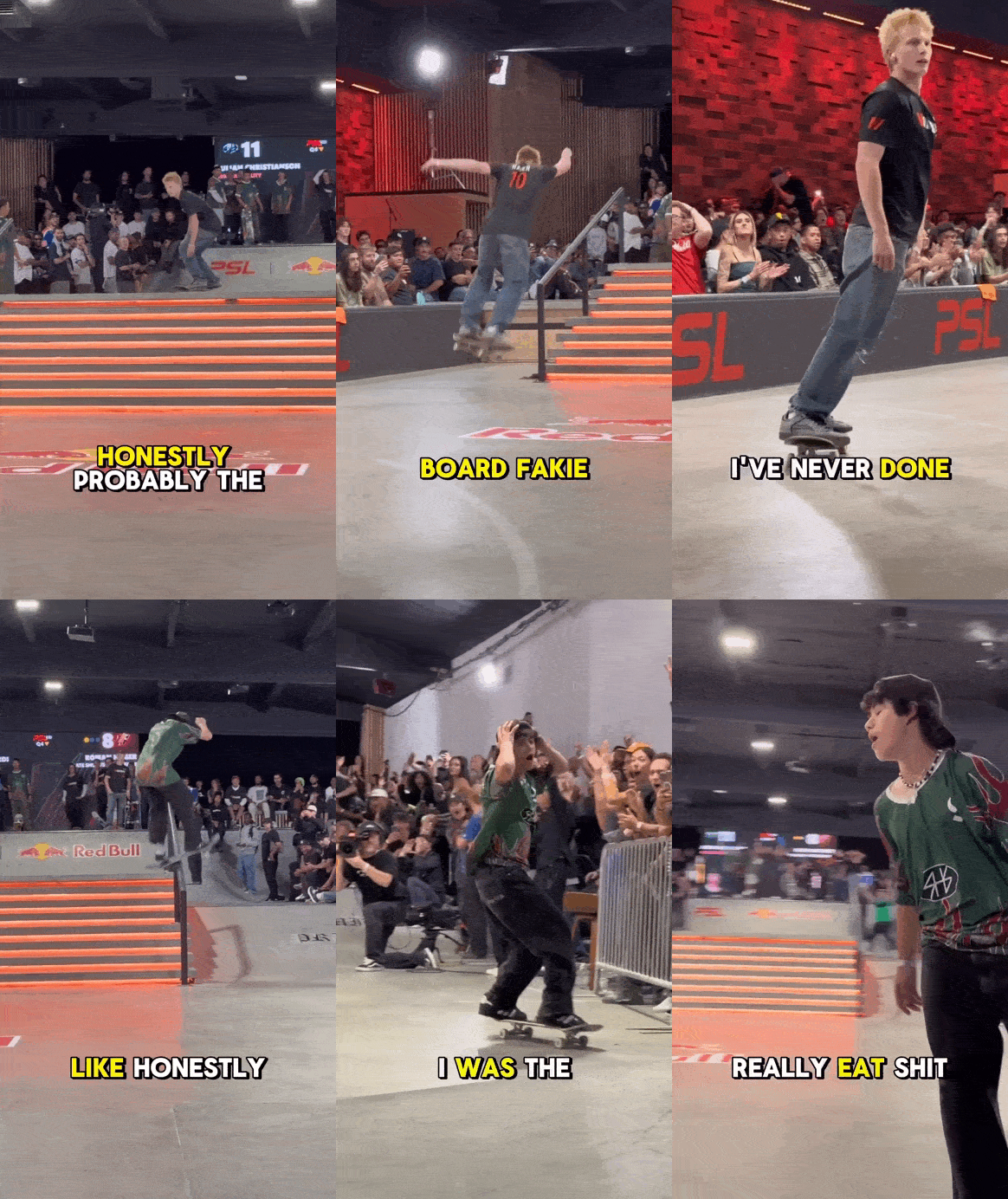
It is also a nice, if a little too convenient, capper that Rodriguez's team won the inaugural PSL title in Rodriguez's own personal skatepark. And sure, the trophy resembles a plastic side table lamp from Structube; yes, the finals "Stair Master" MVP belt, rightfully awarded to Agliardi, looks like it was purchased in haste from a nearby Dollarama; and, of course, it is quite corny to sell "PSL Champion" merch immediately after SHS's victory; but despite all of that, and all of the hiccups, I'd call PSL's maiden voyage a success based on its finals match alone.
Can that game prove to be — in the parlance of PSL founder Mike Mo Capaldi's maybe inspiration in the Ultimate Fighting Championship — PSL's Griffin vs. Bonnar moment? A thrilling showdown that can be spun as saving a struggling promotion? It's too early to say, but the YouTube livestream of the event has 238k views as of writing this. A success by most measures. (If you dare to believe the metrics on Rumble, the February's SLS Sydney finals brought in 240k viewers.)
Whether it was a success financially is a different question, especially for Capaldi, who claims he put his house on the line to fund the season. We'll see if we get another. As a viewer, I've had a good time these last seven weeks and Would Watch again.

Pecking charms
Rank: 730
Mood: 🪵🐦
To be clear, I don't fault the bird. It is merely doing what birds do. When I skip a stone across the glassy surface of a lake — an impulse I cannot control — does it not disturb everything that lives below?
Would it be preferable if the woodpecker weren't slamming its head into the frame around my apartment's skylight at 7:30 a.m. Sunday morning with such force and vigour that you could mistake its efforts for a jackhammer or a Gatling gun?
This beautiful MFer.
Obviously. Especially since I'd gone out the night before and stayed up a little later than my aging self should. Once I'd endured its wholly natural racket long enough and called my building manager, they went and installed some unknown material where the woodpecker had pecked, a material that must not feel very good on the beak or is deterring in its density, because once the woodpecker returned, it soon floated off, defeated, which it would do multiple times throughout the week.
While a relief, it's also, to a degree, disheartening that it came to this. Because, I believe, without evidence other than my own ears, that this bird was simply trying to flex its creative muscle. Listen to the video above and you can hear a little something there — the whapwhapwhap whapwhapwhap of self-expression. I'm familiar with the anguish of having one's creative outlet not just frowned upon, but threatened, or outlawed.
To misquote Brian Glenney, "To some, our pecking charms. To others, it disturbs. It awakens all from slumber."

Something to consider: You can go home again.

Good thing:
 Snack
Snack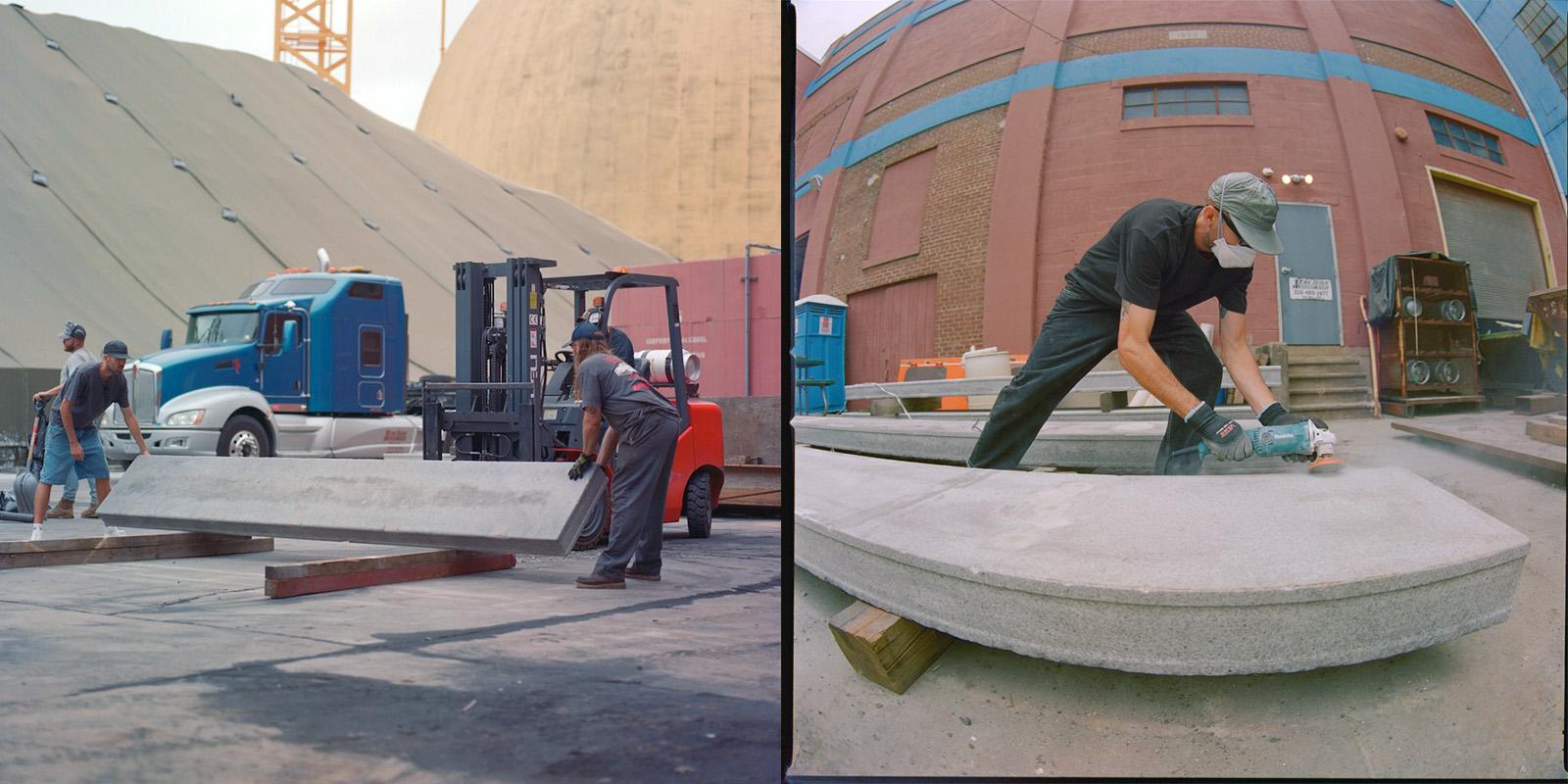
Ryan's corner:
Good thing about a bad thing: "The Olympics Anti-Trans Policy Is Really about Policing Women" by Mel Woods for The Walrus.
Some more good things about bad things:
 Kate Wagner
 Rusty Foster
 Marisa Kabas
Good new Baffler thing:

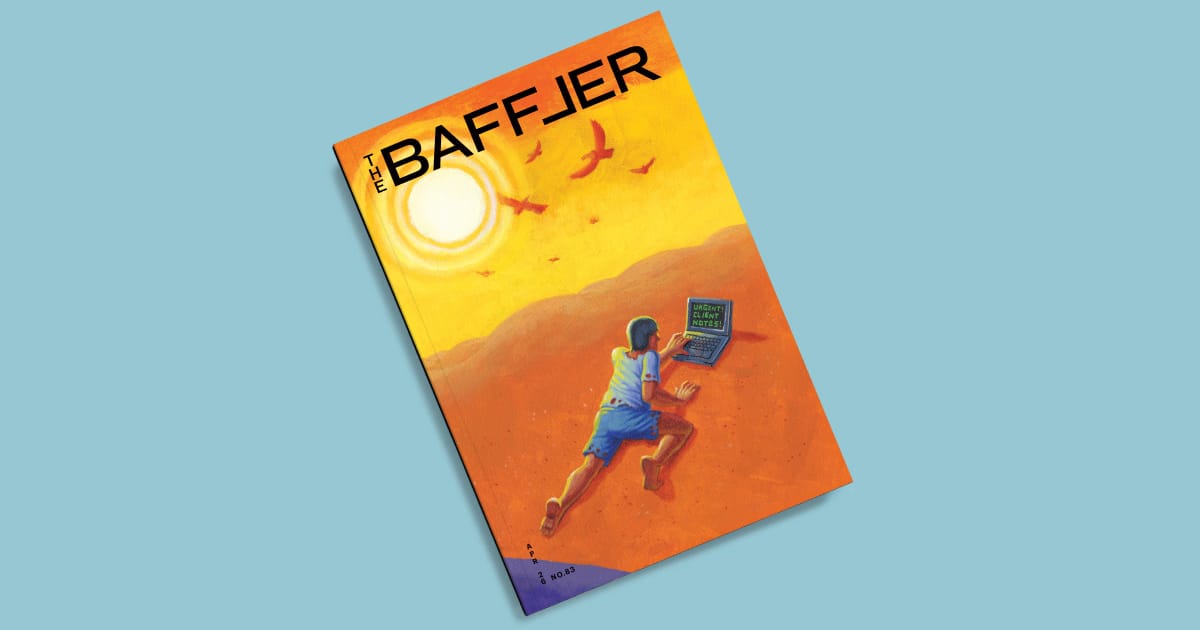
 Baffler Symposium
Weird independent Canadian media drama:
 PressProgress
Until next week… it's a long weekend for many. Enjoy it. Stretch it out. Elongate. Reach as far as you can. And, most importantly, relax.


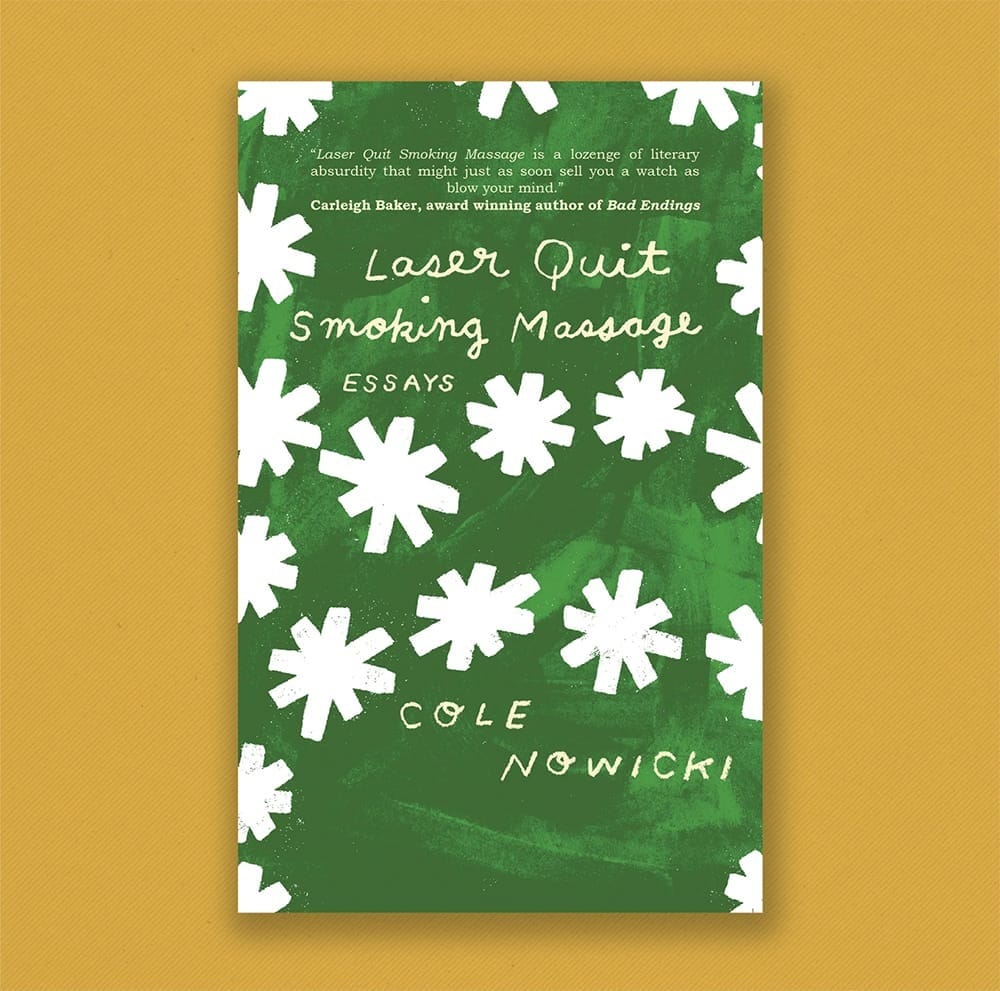
Laser Quit Smoking Massage
NEWEST PRESS
--------------------------------
A collection of essays that I think you might like. The Edmonton Journal called it a "local book set to make a mark in 2024," The CBC said it's "quirky yet insightful" (lol), and it won Trade Non-Fiction Book of the Year at the 2025 Alberta Book Publishing Awards.
Book cover by Hiller Goodspeed.
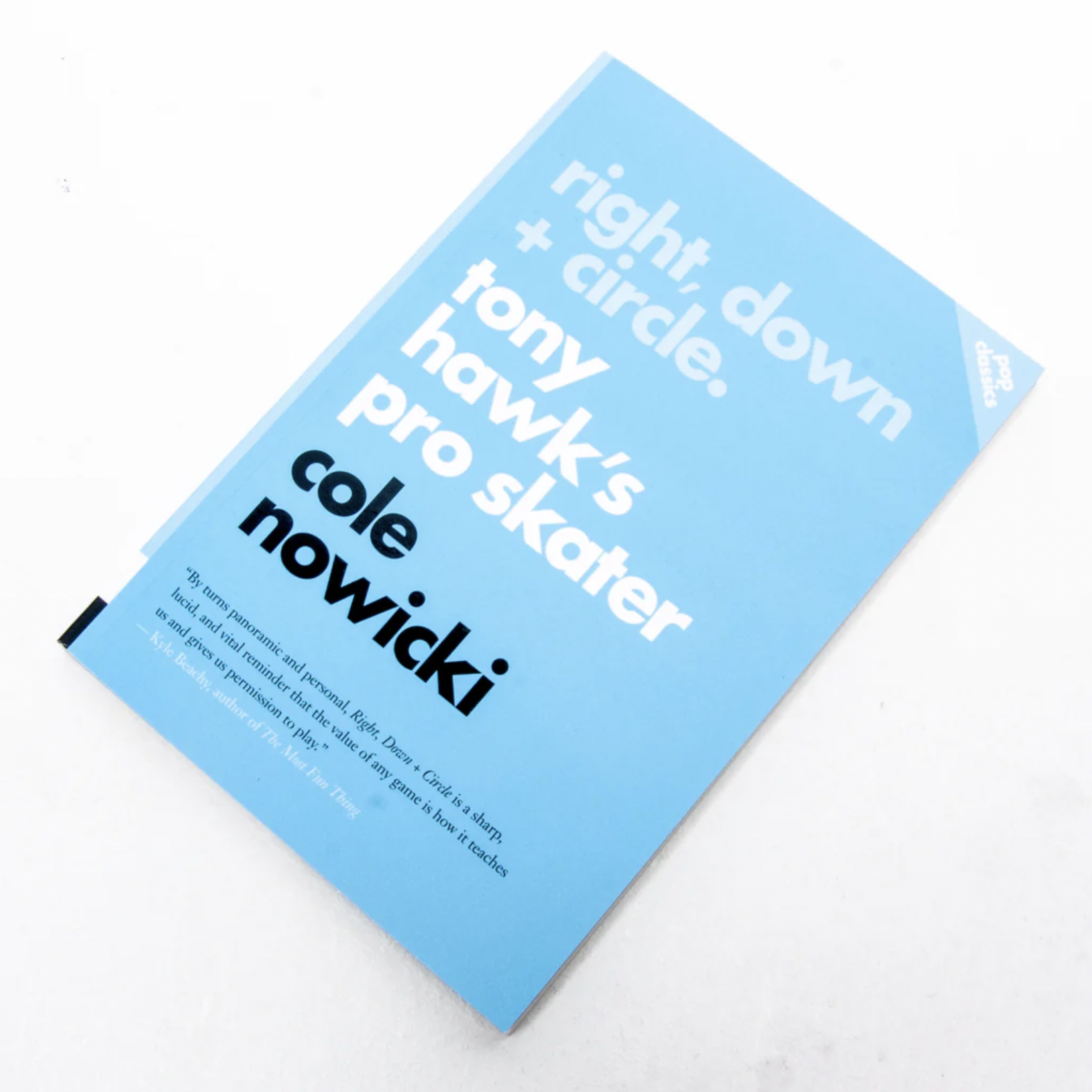
Right, Down + Circle
ECW PRESS
--------------------------------
I wrote a book about the history and cultural impact of Tony Hawk’s Pro Skater that you can find at your local bookshop or order online now. I think you might like this one, too.
Photo via The Palomino.